
Search Results for compounds
Searching compounds for acetyl acid returned 239580 results.
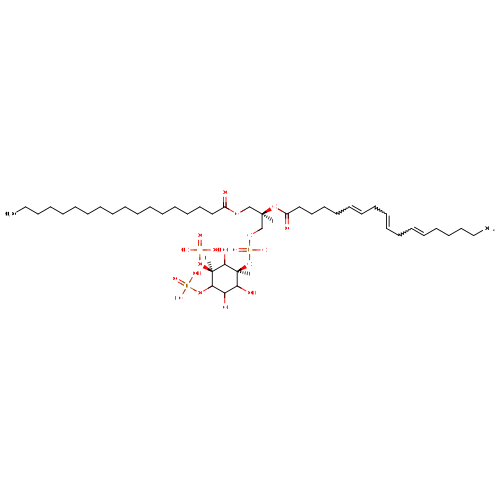
Matched description: … acid moiety is derived from animal fats. ... and one chain of g-linolenic acid at the C-2 position. ... Fatty acids containing 18 and 20 carbons are the most common. …
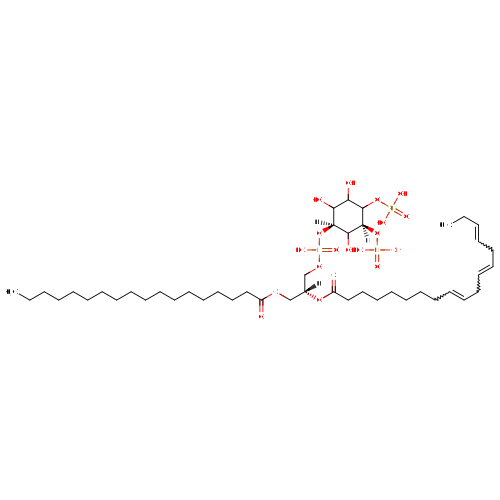
Matched description: … and one chain of a-linolenic acid at the C-2 position. ... Fatty acids containing 18 and 20 carbons are the most common. ... acid moiety is derived from seed oils, especially canola and soybean oil. …
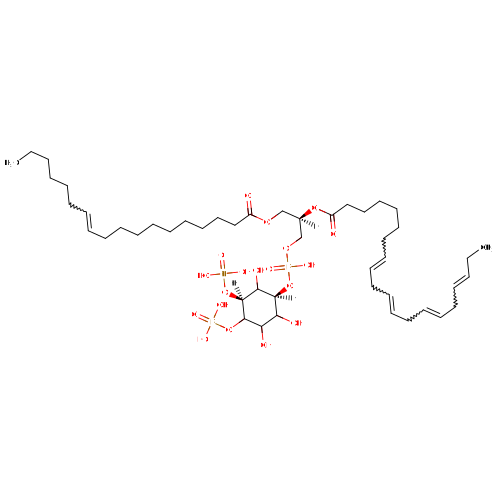
Matched description: … The vaccenic acid moiety is derived from butter fat and animal fat, while the eicsoatetraenoic acid moiety ... Fatty acids containing 18 and 20 carbons are the most common. ... 1 position and one chain of eicsoatetraenoic acid at the C-2 position. …
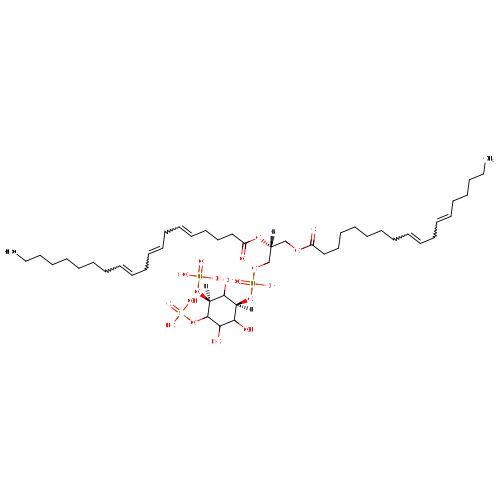
Matched description: … The linoleic acid moiety is derived from seed oils, while the mead acid moiety is derived from fish oils ... position and one chain of mead acid at the C-2 position. ... Fatty acids containing 18 and 20 carbons are the most common. …
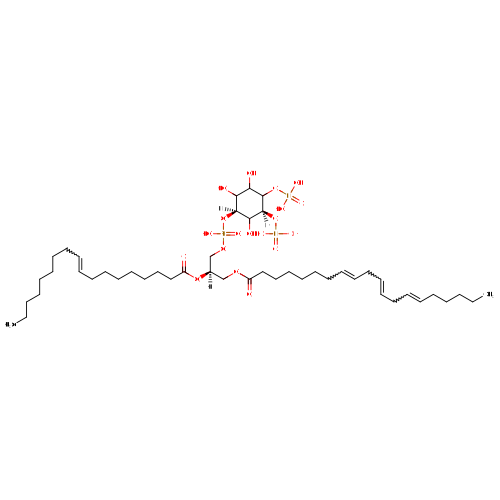
Matched description: … The homo-g-linolenic acid moiety is derived from fish oils, liver and kidney, while the oleic acid moiety ... Fatty acids containing 18 and 20 carbons are the most common. ... C-1 position and one chain of oleic acid at the C-2 position. …
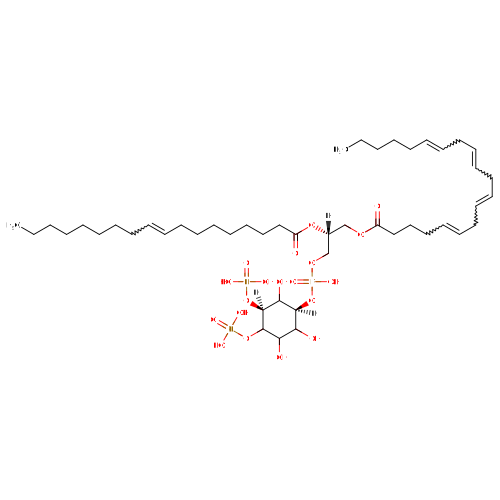
Matched description: … The arachidonic acid moiety is derived from animal fats and eggs, while the oleic acid moiety is derived ... -1 position and one chain of oleic acid at the C-2 position. ... Fatty acids containing 18 and 20 carbons are the most common. …
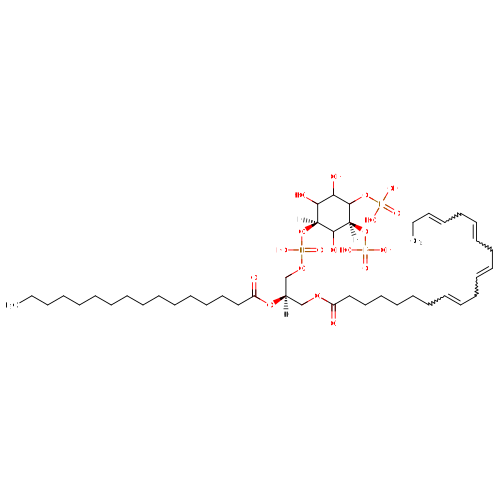
Matched description: … The eicsoatetraenoic acid moiety is derived from fish oils, while the palmitic acid moiety is derived ... Fatty acids containing 18 and 20 carbons are the most common. ... C-1 position and one chain of palmitic acid at the C-2 position. …
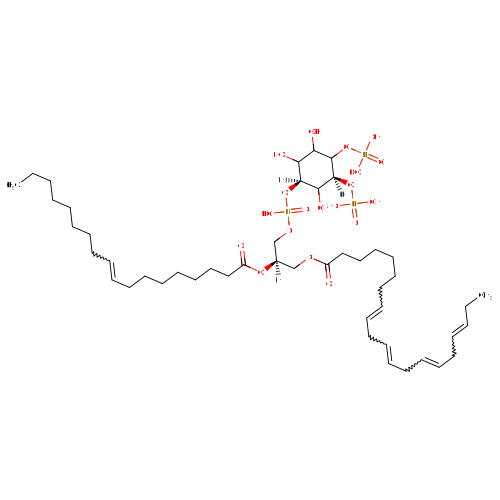
Matched description: … The eicsoatetraenoic acid moiety is derived from fish oils, while the oleic acid moiety is derived from ... Fatty acids containing 18 and 20 carbons are the most common. ... the C-1 position and one chain of oleic acid at the C-2 position. …
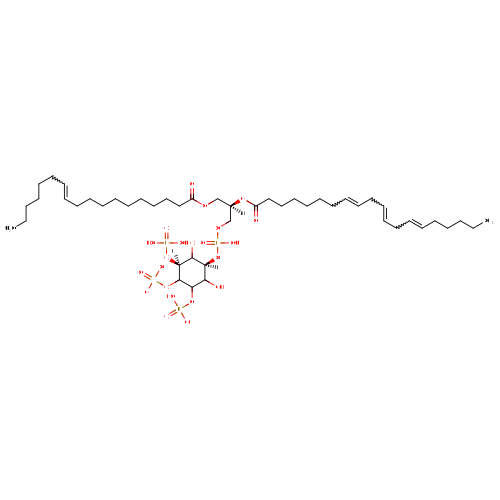
Matched description: … The vaccenic acid moiety is derived from butter fat and animal fat, while the homo-g-linolenic acid moiety ... and one chain of homo-g-linolenic acid at the C-2 position. ... Fatty acids containing 18 and 20 carbons are the most common. …
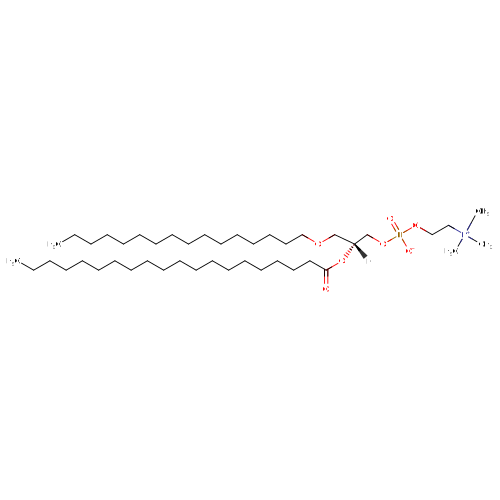
Matched description: … While most phospholipids have a saturated fatty acid on C-1 and an unsaturated fatty acid on C-2 of the ... Fatty acids containing 16, 18 and 20 carbons are the most common. ... the case with diacylglycerols, glycerophosphocholines can have many different combinations of fatty acids …
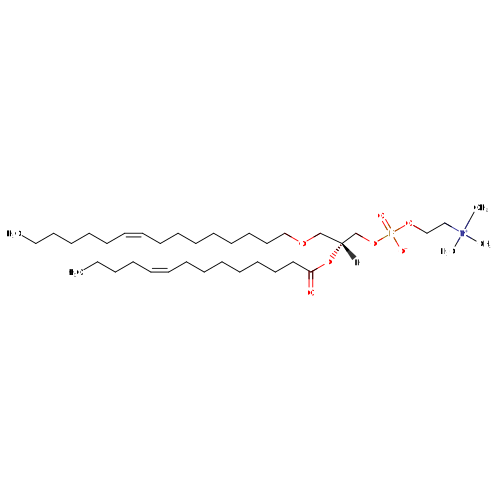
Matched description: … While most phospholipids have a saturated fatty acid on C-1 and an unsaturated fatty acid on C-2 of the ... Fatty acids containing 16, 18 and 20 carbons are the most common. ... the case with diacylglycerols, glycerophosphocholines can have many different combinations of fatty acids …
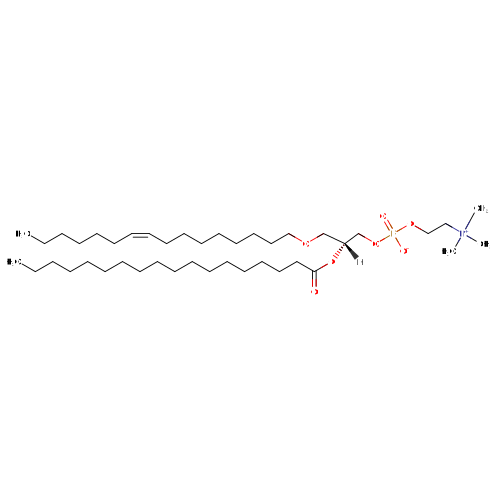
Matched description: … While most phospholipids have a saturated fatty acid on C-1 and an unsaturated fatty acid on C-2 of the ... Fatty acids containing 16, 18 and 20 carbons are the most common. ... the case with diacylglycerols, glycerophosphocholines can have many different combinations of fatty acids …
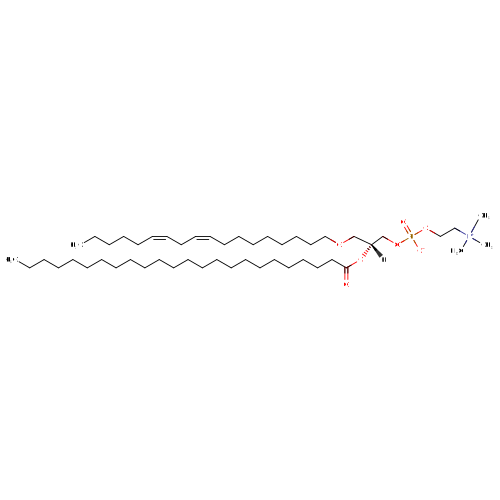
Matched description: … While most phospholipids have a saturated fatty acid on C-1 and an unsaturated fatty acid on C-2 of the ... Fatty acids containing 16, 18 and 20 carbons are the most common. ... the case with diacylglycerols, glycerophosphocholines can have many different combinations of fatty acids …
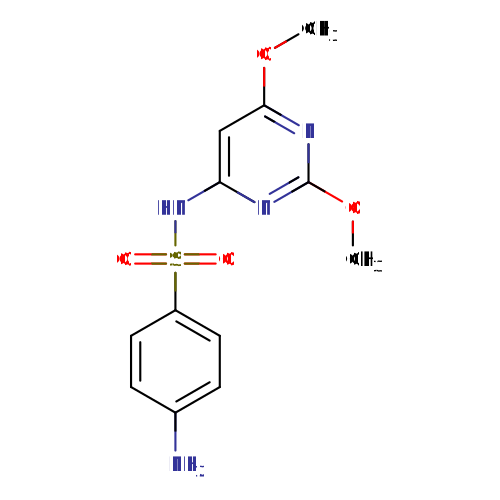
Matched description: … acid. ... Sulfadimethoxine inhibits bacterial synthesis of folic acid (pteroylglutamic acid) from para-aminobenzoic …
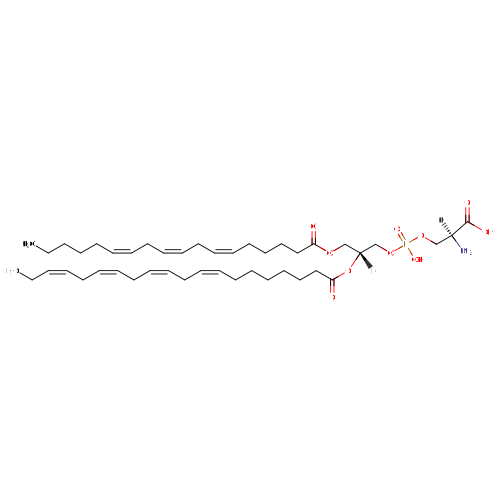
Matched description: … While most phospholipids have a saturated fatty acid on C-1 and an unsaturated fatty acid on C-2 of the ... They mostly have palmitic or stearic acid on carbon 1 and a long chain unsaturated fatty acid (e.g. 18 ... is the case with diacylglycerols, phosphatidylserines can have many different combinations of fatty acids …
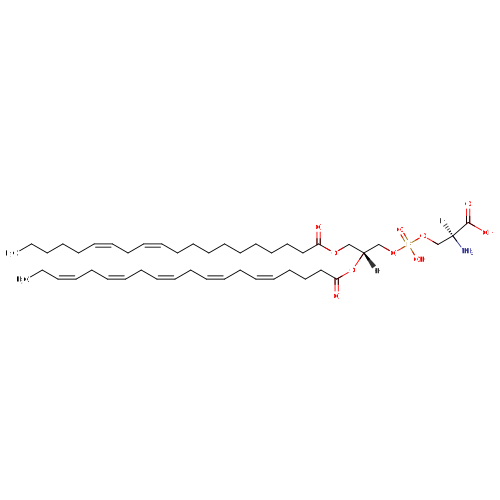
Matched description: … While most phospholipids have a saturated fatty acid on C-1 and an unsaturated fatty acid on C-2 of the ... They mostly have palmitic or stearic acid on carbon 1 and a long chain unsaturated fatty acid (e.g. 18 ... is the case with diacylglycerols, phosphatidylserines can have many different combinations of fatty acids …
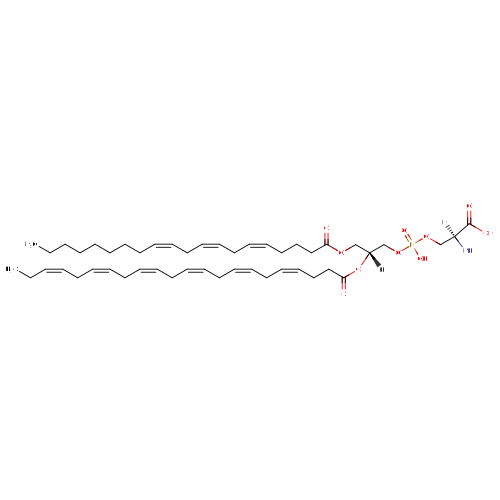
Matched description: … While most phospholipids have a saturated fatty acid on C-1 and an unsaturated fatty acid on C-2 of the ... They mostly have palmitic or stearic acid on carbon 1 and a long chain unsaturated fatty acid (e.g. 18 ... is the case with diacylglycerols, phosphatidylserines can have many different combinations of fatty acids …
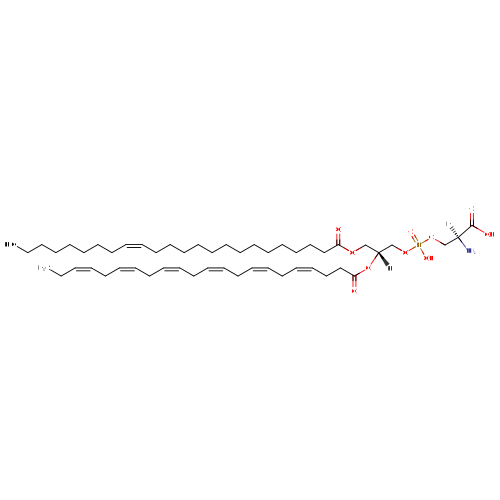
Matched description: … While most phospholipids have a saturated fatty acid on C-1 and an unsaturated fatty acid on C-2 of the ... They mostly have palmitic or stearic acid on carbon 1 and a long chain unsaturated fatty acid (e.g. 18 ... is the case with diacylglycerols, phosphatidylserines can have many different combinations of fatty acids …
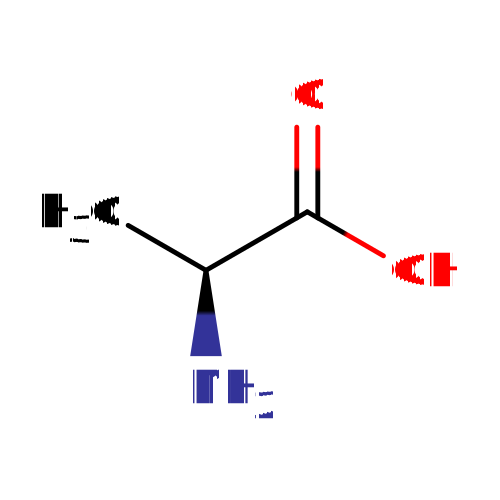
Matched description: … L-alanine is soluble (in water) and a moderately acidic compound (based on its pKa). ... L-alanine, also known as ala or (2s)-2-aminopropanoic acid, belongs to alanine and derivatives class ... L-Alanine is a non-essential amino acid that occurs in high levels in its free state in plasma. …
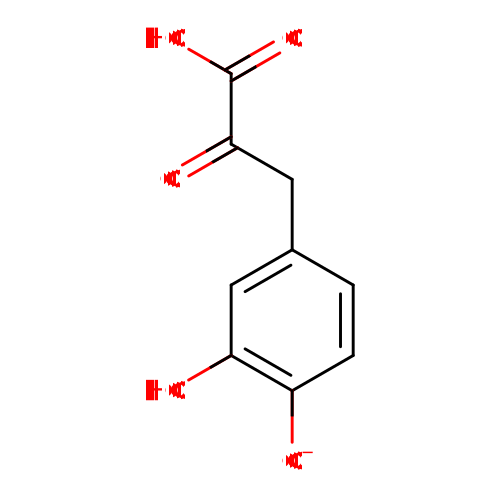
Matched description: … dihydroxyphenylpyruvate, also known as 3-(3,4-dihydroxyphenyl)-2-oxopropanoate, belongs to phenylpyruvic acid ... at the second position by an pyruvic acid. 3,4-dihydroxyphenylpyruvate is slightly soluble (in water ... Those are compounds containing a phenylpyruvic acid moiety, which consists of a phenyl group substituted …
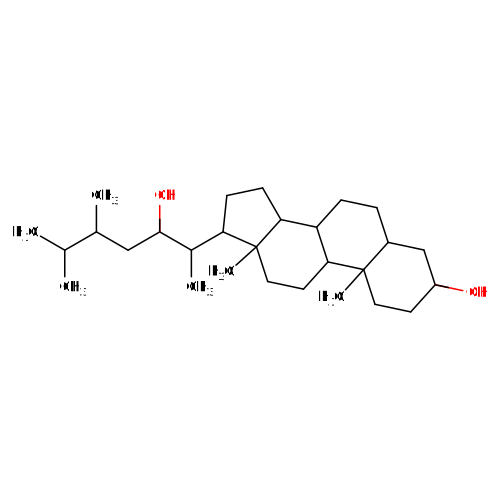
Matched description: … acid groups. 3-epi-6-deoxocathasterone is practically insoluble (in water) and an extremely weak acidic ... 3-epi-6-deoxocathasterone belongs to dihydroxy bile acids, alcohols and derivatives class of compounds ... Those are compounds containing or derived from a bile acid or alcohol, and which bears exactly two carboxylic …
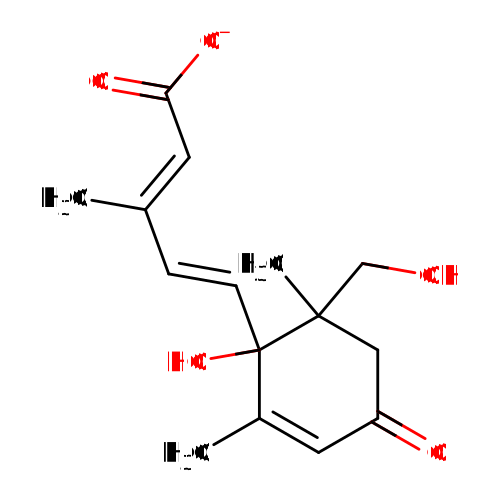
Matched description: … 8'-hydroxyabscisate belongs to abscisic acids and derivatives class of compounds. ... Those are terpene compounds containing the abscisic acid moiety, which is characterized by a 3-methylpenta ... insoluble (in water) and a weakly acidic compound (based on its pKa). 8'-hydroxyabscisate can be found …
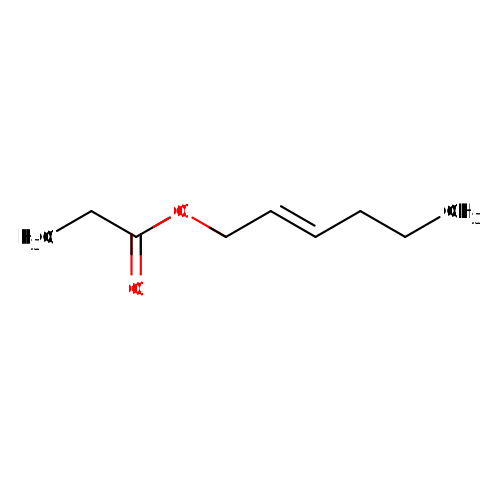
Matched description: … Carboxylic acid esters are carboxylic acid derivatives in which the carbon atom from the carbonyl group ... a member of the class of compounds known as carboxylic acid esters. ... 2-hexenyl propionate, also known as trans-2-hexenyl propionic acid or (E)-2-hexen-1-ol, propanoate, is …
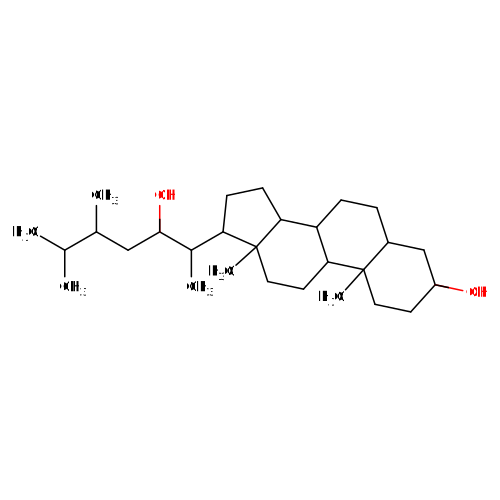
Matched description: … acid groups. 3-epi-6-deoxocathasterone is practically insoluble (in water) and an extremely weak acidic ... 3-epi-6-deoxocathasterone belongs to dihydroxy bile acids, alcohols and derivatives class of compounds ... Those are compounds containing or derived from a bile acid or alcohol, and which bears exactly two carboxylic …
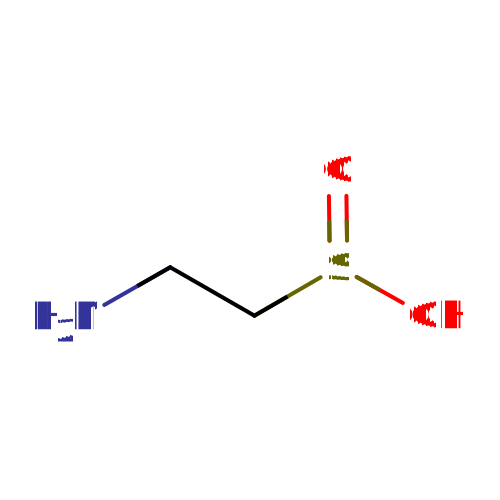
Matched description: … Sulfinic acids are compounds containing a sulfinic acid functional group, with the general structure ... Hypotaurine belongs to the class of organic compounds known as sulfinic acids. ... can be biosynthesized from 3-sulfinoalanine through its interaction with the enzyme cysteine sulfinic acid …