
Search Results for compounds
Searching compounds for acetyl acid returned 239580 results.
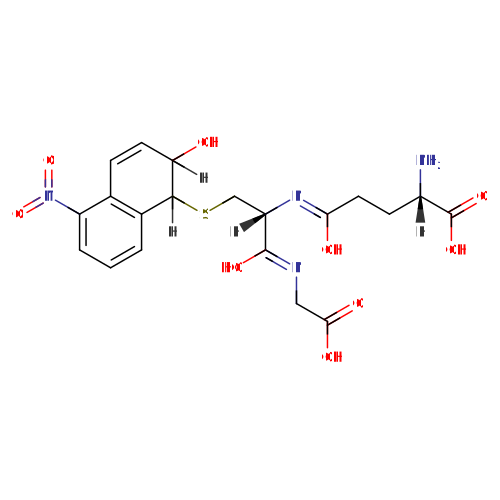
Matched description: … These are compounds containing an amide derived from two or more amino carboxylic acid molecules (the …
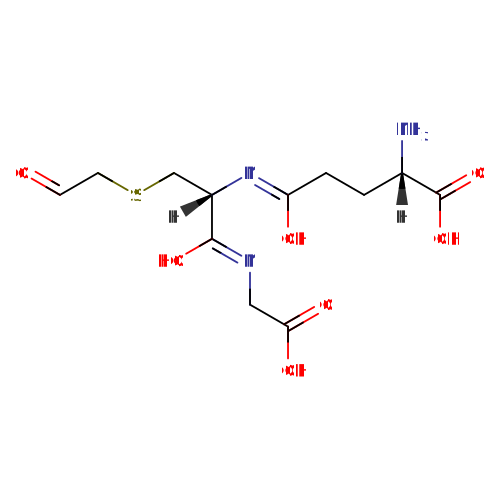
Matched description: … These are compounds containing an amide derived from two or more amino carboxylic acid molecules (the …
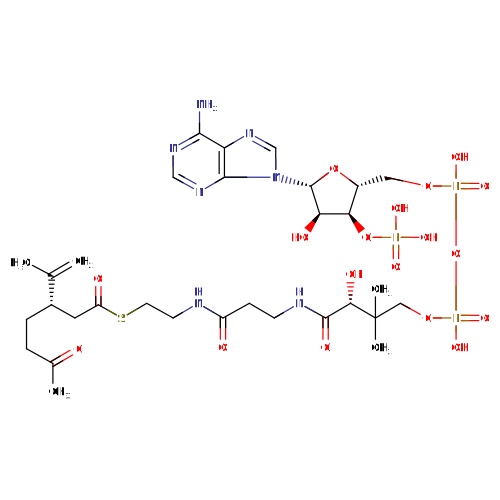
Matched description: … Isopropenyl-6-oxoenanthoyl-CoA. 3-Oxoheptanoyl-CoA is considered to be slightly soluble (in water) and acidic …
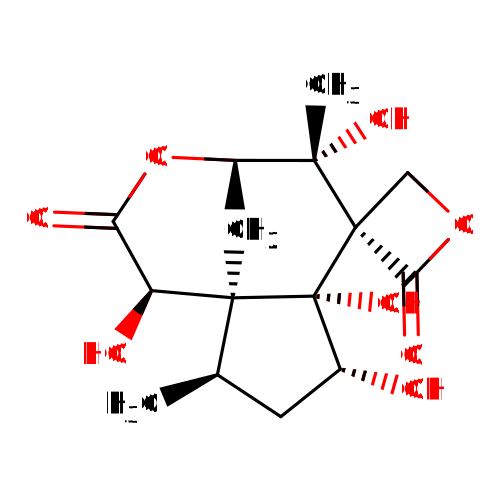
Matched description: … ANIASATIN is soluble (in water) and a very weakly acidic compound (based on its pKa). …

Matched description: … Methyl pheophorbide a is practically insoluble (in water) and an extremely strong acidic compound (based …
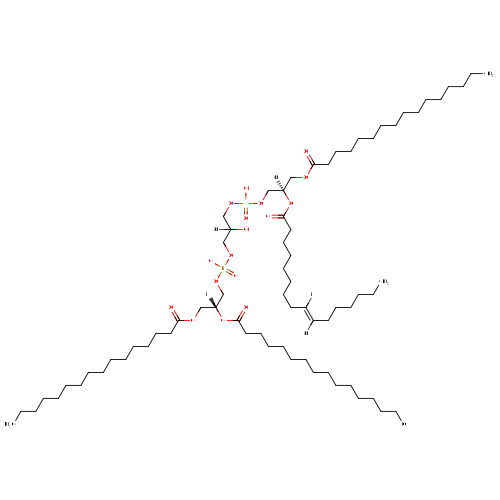
Matched description: … , one chain of (9Z-hexadecenoyl) at the C4 position fatty acids. ... Cardiolipins are sometimes called 'double' phospholipids because they have four fatty acid tails, instead ... CL(16:0/16:0/16:0/16:1(9Z)) contains three chains of hexadecanoic acid at the C1, C2 and C3 positions …
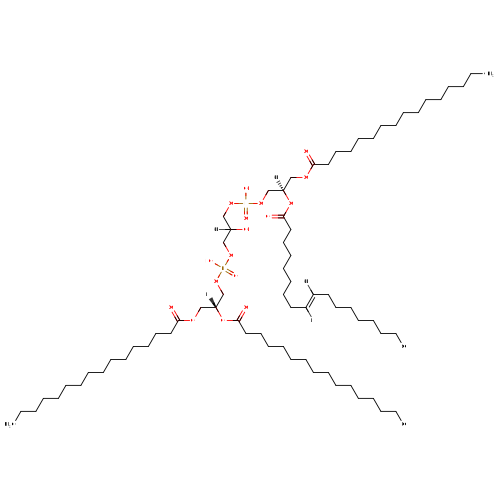
Matched description: … , one chain of (9Z-octadecenoyl) at the C4 position fatty acids. ... Cardiolipins are sometimes called 'double' phospholipids because they have four fatty acid tails, instead ... CL(16:0/16:0/16:0/18:1(9Z)) contains three chains of hexadecanoic acid at the C1, C2 and C3 positions …
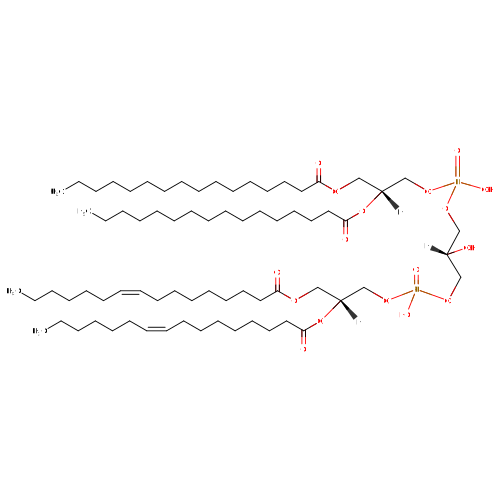
Matched description: … two chains of (9Z-hexadecenoyl) at the C3 and C4 positions fatty acids. ... Cardiolipins are sometimes called 'double' phospholipids because they have four fatty acid tails, instead ... CL(16:0/16:0/16:1(9Z)/16:1(9Z)) contains two chains of hexadecanoic acid at the C1 and C2 positions, …
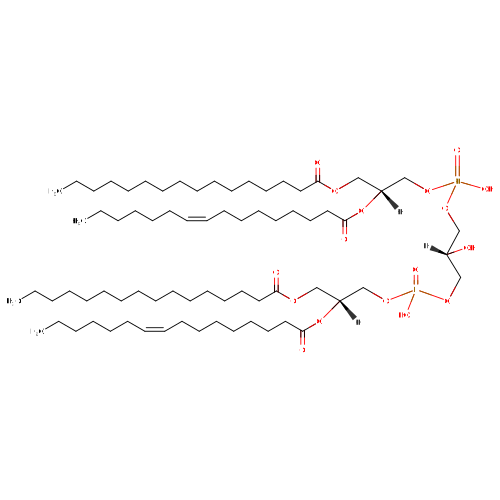
Matched description: … two chains of (9Z-hexadecenoyl) at the C2 and C4 positions fatty acids. ... Cardiolipins are sometimes called 'double' phospholipids because they have four fatty acid tails, instead ... CL(16:0/16:1(9Z)/16:0/16:1(9Z)) contains two chains of hexadecanoic acid at the C1 and C3 positions, …
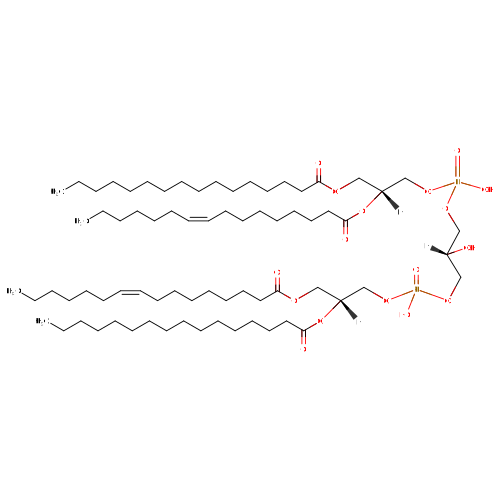
Matched description: … two chains of (9Z-hexadecenoyl) at the C2 and C3 positions fatty acids. ... Cardiolipins are sometimes called 'double' phospholipids because they have four fatty acid tails, instead ... CL(16:0/16:1(9Z)/16:1(9Z)/16:0) contains two chains of hexadecanoic acid at the C1 and C4 positions, …
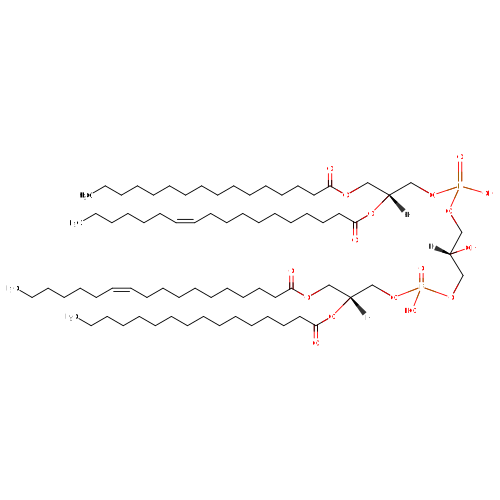
Matched description: … , two chains of (11Z-octadecenoyl) at the C2 and C3 positions fatty acids. ... Cardiolipins are sometimes called 'double' phospholipids because they have four fatty acid tails, instead ... CL(16:0/18:1(11Z)/18:1(11Z)/16:0) contains two chains of hexadecanoic acid at the C1 and C4 positions …
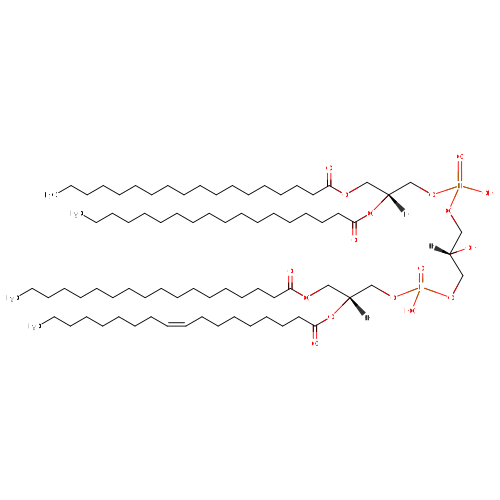
Matched description: … , one chain of (9Z-octadecenoyl) at the C4 position fatty acids. ... Cardiolipins are sometimes called 'double' phospholipids because they have four fatty acid tails, instead ... CL(18:0/18:0/18:0/18:1(9Z)) contains three chains of octadecanoic acid at the C1, C2 and C3 positions …
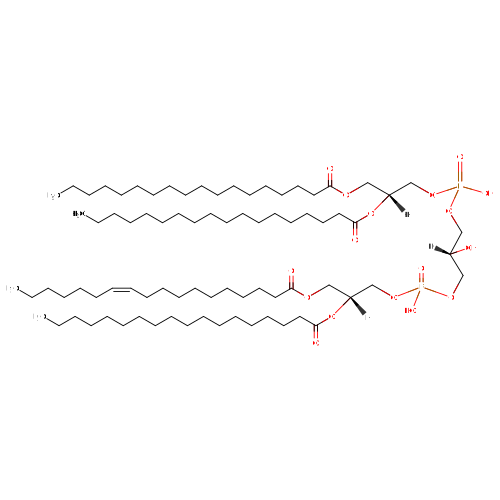
Matched description: … , one chain of (11Z-octadecenoyl) at the C3 position fatty acids. ... Cardiolipins are sometimes called 'double' phospholipids because they have four fatty acid tails, instead ... CL(18:0/18:0/18:1(11Z)/18:0) contains three chains of octadecanoic acid at the C1, C2 and C4 positions …
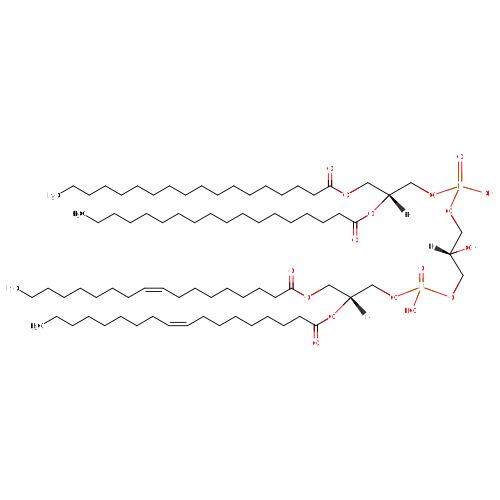
Matched description: … two chains of (9Z-octadecenoyl) at the C3 and C4 positions fatty acids. ... Cardiolipins are sometimes called 'double' phospholipids because they have four fatty acid tails, instead ... CL(18:0/18:0/18:1(9Z)/18:1(9Z)) contains two chains of octadecanoic acid at the C1 and C2 positions, …
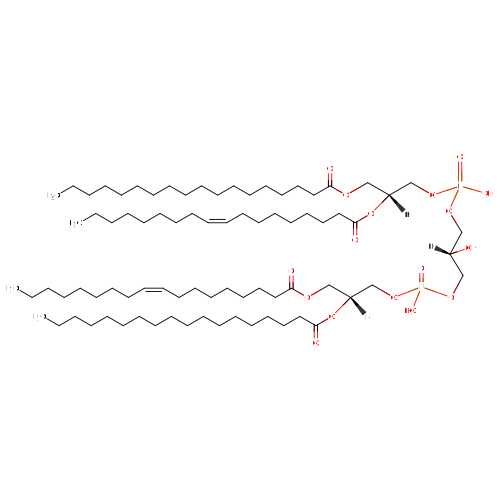
Matched description: … two chains of (9Z-octadecenoyl) at the C2 and C3 positions fatty acids. ... Cardiolipins are sometimes called 'double' phospholipids because they have four fatty acid tails, instead ... CL(18:0/18:1(9Z)/18:1(9Z)/18:0) contains two chains of octadecanoic acid at the C1 and C4 positions, …
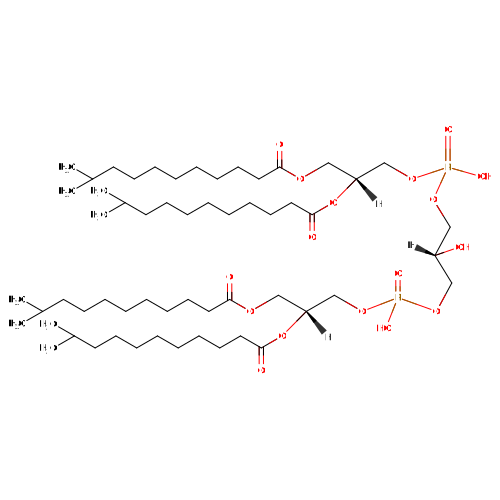
Matched description: … C4 positions fatty acids. ... Cardiolipins are sometimes called 'double' phospholipids because they have four fatty acid tails, instead ... CL(i-12:0/i-12:0/i-12:0/i-12:0) contains four chains of 10-methylundecanoic acid at the C1, C2, C3 and …
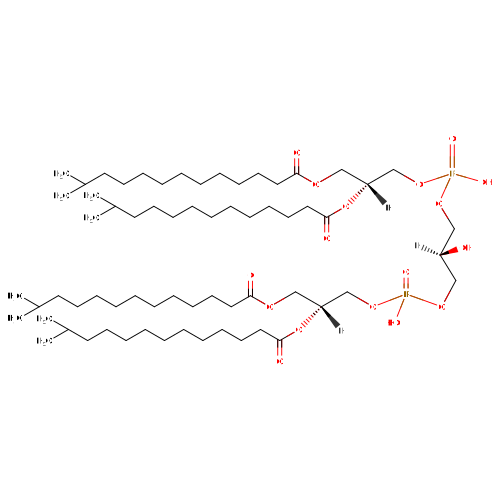
Matched description: … C4 positions fatty acids. ... Cardiolipins are sometimes called 'double' phospholipids because they have four fatty acid tails, instead ... CL(i-14:0/i-14:0/i-14:0/i-14:0) contains four chains of 12-methyltridecanoic acid at the C1, C2, C3 and …
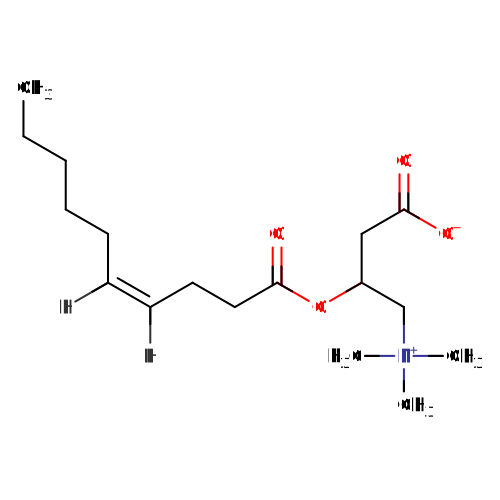
Matched description: … The general role of acylcarnitines is to transport acyl-groups (organic acids and fatty acids) from the ... More specifically, it is an cis-4-decenoic acid ester of carnitine. ... Many medium-chain acylcarnitines can serve as useful markers for inherited disorders of fatty acid metabolism …
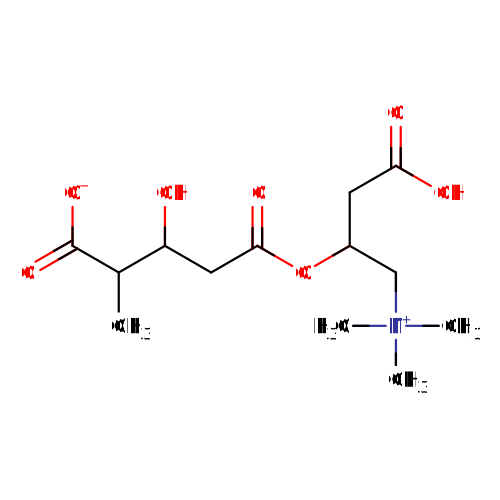
Matched description: … The general role of acylcarnitines is to transport acyl-groups (organic acids and fatty acids) from the ... More specifically, it is an (2S,3R)-3-hydroxy-2-methylpentanedioic acid ester of carnitine. ... Many medium-chain acylcarnitines can serve as useful markers for inherited disorders of fatty acid metabolism …
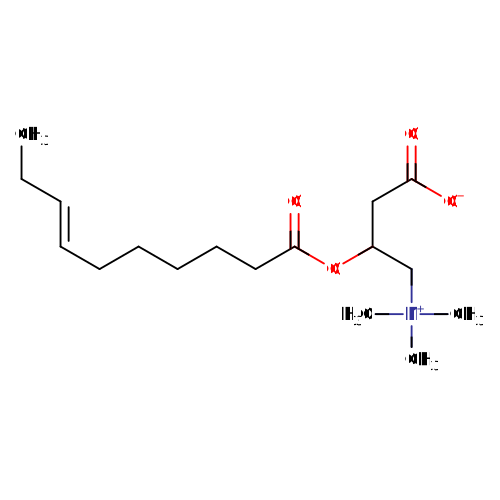
Matched description: … The general role of acylcarnitines is to transport acyl-groups (organic acids and fatty acids) from the ... More specifically, it is an dec-7-enoic acid ester of carnitine. ... Many medium-chain acylcarnitines can serve as useful markers for inherited disorders of fatty acid metabolism …
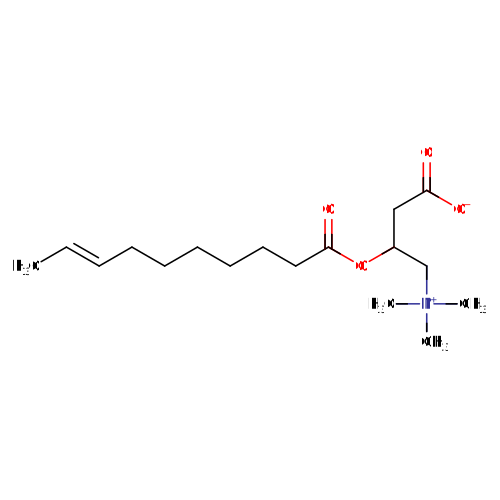
Matched description: … The general role of acylcarnitines is to transport acyl-groups (organic acids and fatty acids) from the ... More specifically, it is an (8Z)-dec-8-enoic acid ester of carnitine. ... Many medium-chain acylcarnitines can serve as useful markers for inherited disorders of fatty acid metabolism …
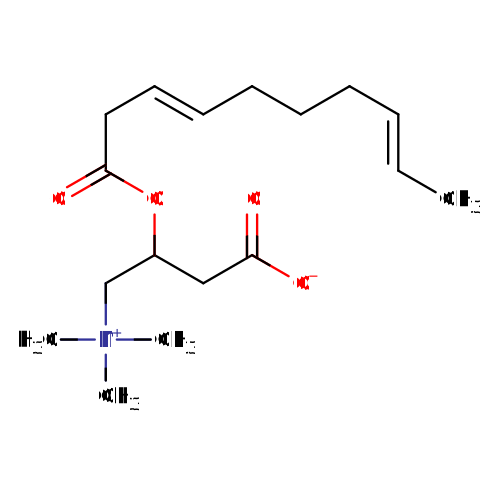
Matched description: … The general role of acylcarnitines is to transport acyl-groups (organic acids and fatty acids) from the ... More specifically, it is an deca-3,8-dienoic acid ester of carnitine. ... Many medium-chain acylcarnitines can serve as useful markers for inherited disorders of fatty acid metabolism …
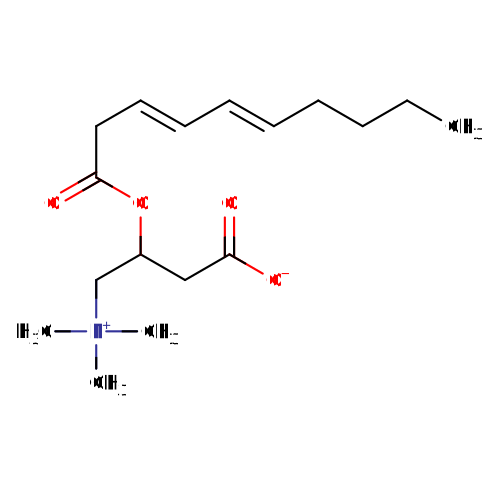
Matched description: … The general role of acylcarnitines is to transport acyl-groups (organic acids and fatty acids) from the ... More specifically, it is an deca-3,5-dienoic acid ester of carnitine. ... Many medium-chain acylcarnitines can serve as useful markers for inherited disorders of fatty acid metabolism …
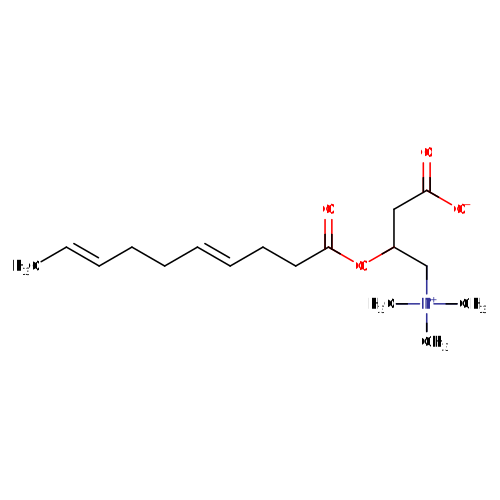
Matched description: … The general role of acylcarnitines is to transport acyl-groups (organic acids and fatty acids) from the ... More specifically, it is an deca-4,8-dienoic acid ester of carnitine. ... Many medium-chain acylcarnitines can serve as useful markers for inherited disorders of fatty acid metabolism …
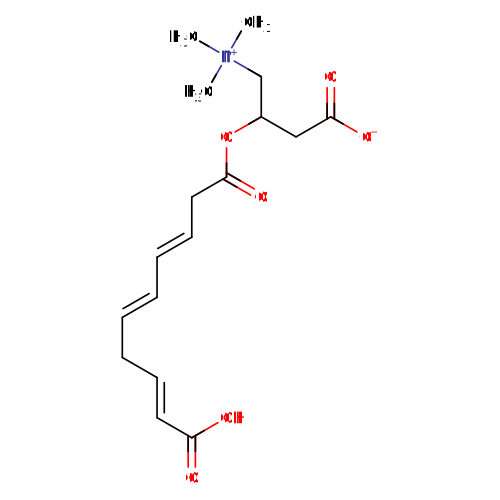
Matched description: … The general role of acylcarnitines is to transport acyl-groups (organic acids and fatty acids) from the ... More specifically, it is an (3E,5E,8Z)-deca-3,5,7-trienedioic acid ester of carnitine. ... Many medium-chain acylcarnitines can serve as useful markers for inherited disorders of fatty acid metabolism …