
Search Results for compounds
Searching compounds for acetyl acid returned 239580 results.
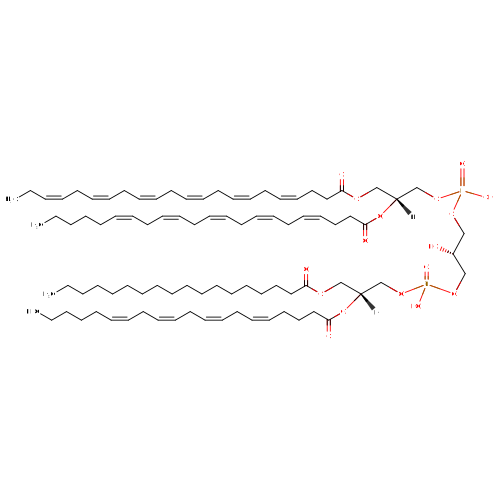
Matched description: … at the C3 position, one chain of (5Z,8Z,11Z,14Z-eicosatetraenoyl) at the C4 position fatty acids. ... Cardiolipins are sometimes called a 'double' phospholipid because they have four fatty acid tails, instead ... position, one chain of (4Z,7Z,10Z,13Z,16Z-docosapentaenoyl) at the C2 position, one chain of octadecanoic acid …
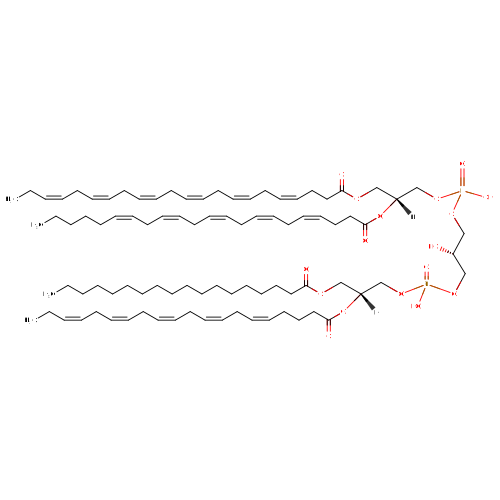
Matched description: … Cardiolipins are sometimes called a 'double' phospholipid because they have four fatty acid tails, instead ... at the C3 position, one chain of (5Z,8Z,11Z,14Z,17Z-eicosapentaenoyl) at the C4 position fatty acids ... position, one chain of (4Z,7Z,10Z,13Z,16Z-docosapentaenoyl) at the C2 position, one chain of octadecanoic acid …
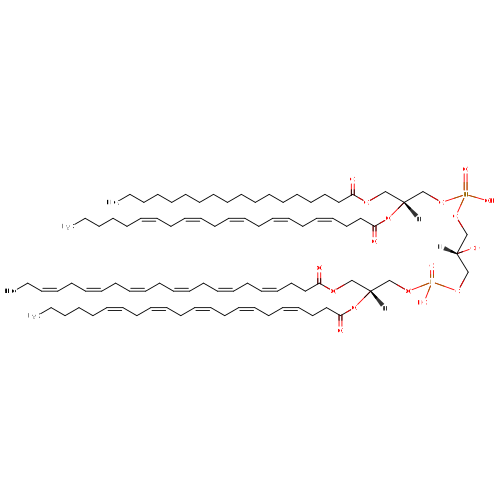
Matched description: … at the C3 position fatty acids. ... Cardiolipins are sometimes called a 'double' phospholipid because they have four fatty acid tails, instead ... chains of (4Z,7Z,10Z,13Z,16Z-docosapentaenoyl) at the C2 and C4 positions, one chain of octadecanoic acid …
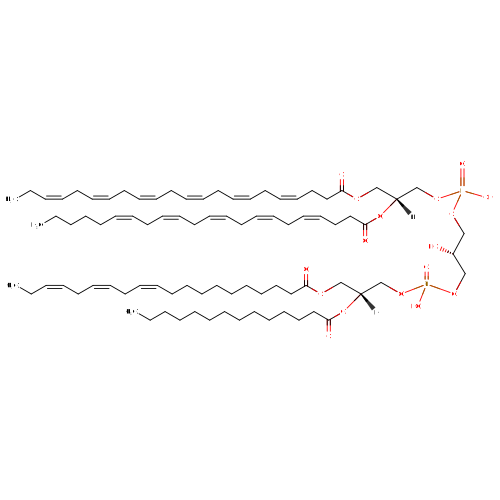
Matched description: … at the C4 position fatty acids. ... Cardiolipins are sometimes called a 'double' phospholipid because they have four fatty acid tails, instead ... position, one chain of (11Z,14Z,17Z-eicosatrienoyl) at the C3 position, one chain of tetradecanoic acid …
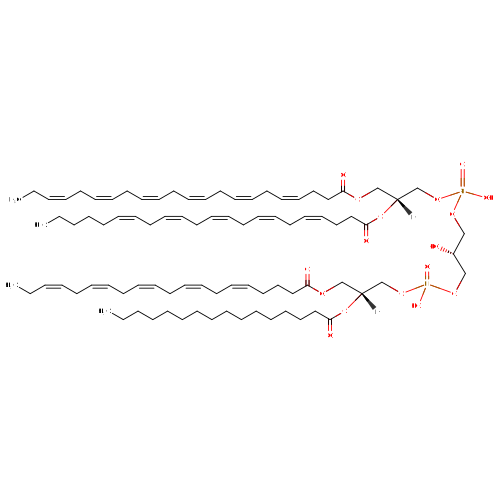
Matched description: … at the C4 position fatty acids. ... Cardiolipins are sometimes called a 'double' phospholipid because they have four fatty acid tails, instead ... position, one chain of (5Z,8Z,11Z,14Z,17Z-eicosapentaenoyl) at the C3 position, one chain of hexadecanoic acid …
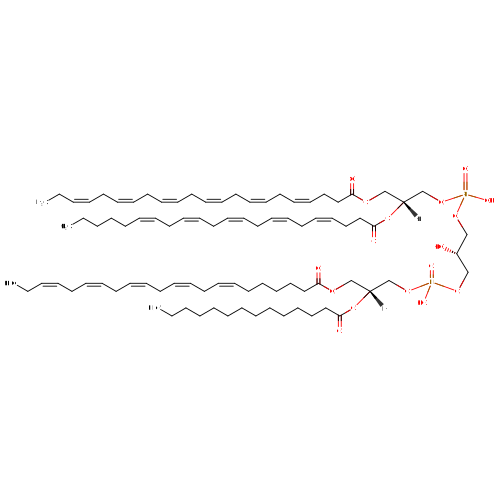
Matched description: … at the C4 position fatty acids. ... Cardiolipins are sometimes called a 'double' phospholipid because they have four fatty acid tails, instead ... , one chain of (7Z,10Z,13Z,16Z,19Z-docosapentaenoyl) at the C3 position, one chain of tetradecanoic acid …
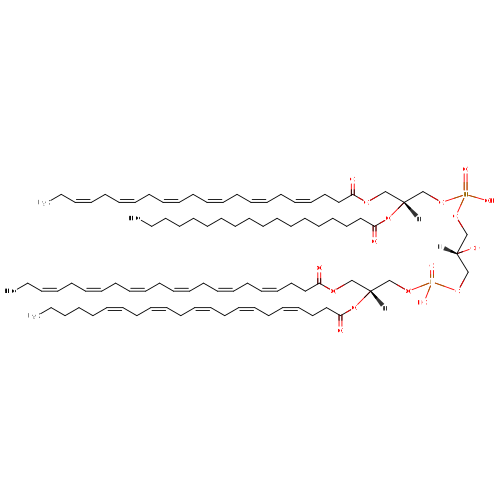
Matched description: … at the C4 position fatty acids. ... Cardiolipins are sometimes called a 'double' phospholipid because they have four fatty acid tails, instead ... positions, one chain of (4Z,7Z,10Z,13Z,16Z-docosapentaenoyl) at the C2 position, one chain of octadecanoic acid …
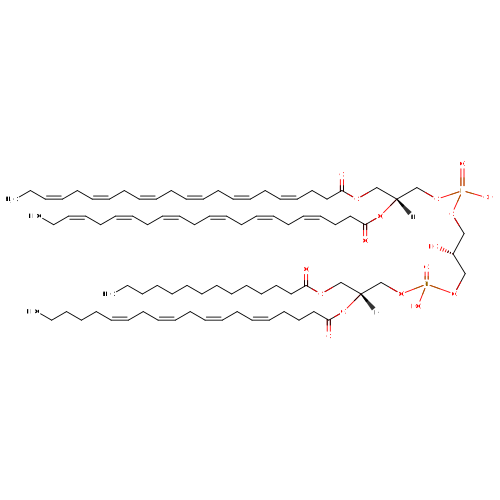
Matched description: … at the C3 position, one chain of (5Z,8Z,11Z,14Z-eicosatetraenoyl) at the C4 position fatty acids. ... Cardiolipins are sometimes called a 'double' phospholipid because they have four fatty acid tails, instead ... chains of (4Z,7Z,10Z,13Z,16Z,19Z-docosahexaenoyl) at the C1 and C2 positions, one chain of tetradecanoic acid …
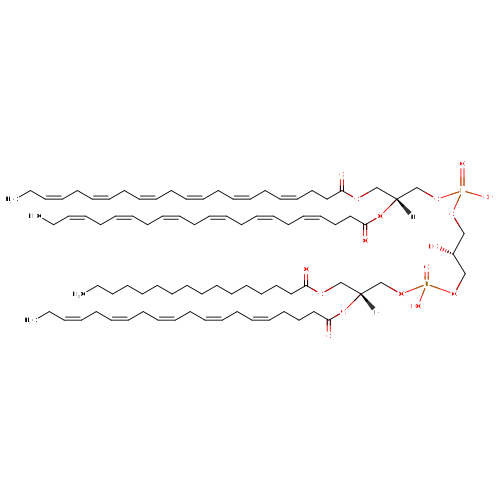
Matched description: … Cardiolipins are sometimes called a 'double' phospholipid because they have four fatty acid tails, instead ... at the C3 position, one chain of (5Z,8Z,11Z,14Z,17Z-eicosapentaenoyl) at the C4 position fatty acids ... chains of (4Z,7Z,10Z,13Z,16Z,19Z-docosahexaenoyl) at the C1 and C2 positions, one chain of hexadecanoic acid …
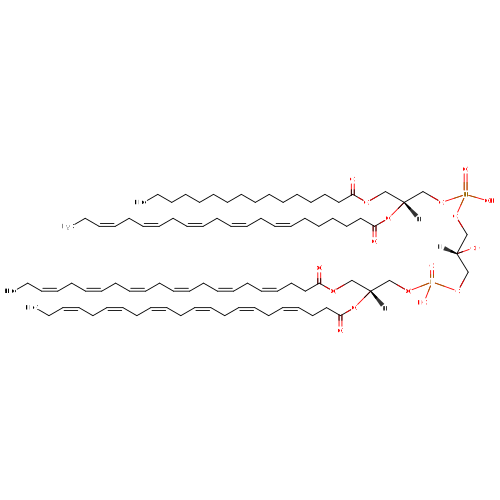
Matched description: … Cardiolipins are sometimes called a 'double' phospholipid because they have four fatty acid tails, instead ... at the C3 position, one chain of (7Z,10Z,13Z,16Z,19Z-docosapentaenoyl) at the C4 position fatty acids ... chains of (4Z,7Z,10Z,13Z,16Z,19Z-docosahexaenoyl) at the C1 and C2 positions, one chain of hexadecanoic acid …
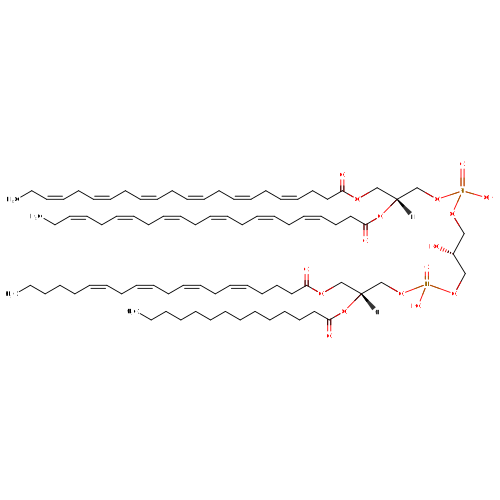
Matched description: … at the C4 position fatty acids. ... Cardiolipins are sometimes called a 'double' phospholipid because they have four fatty acid tails, instead ... positions, one chain of (5Z,8Z,11Z,14Z-eicosatetraenoyl) at the C3 position, one chain of tetradecanoic acid …
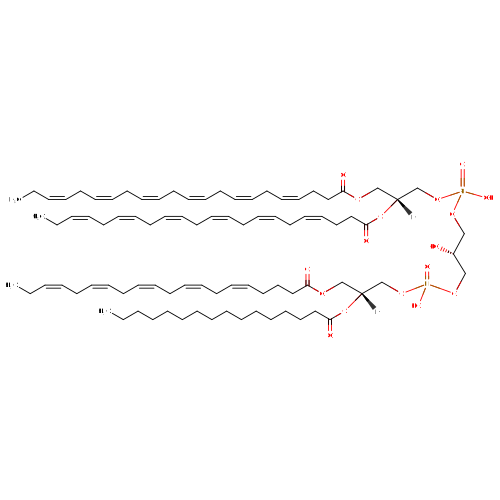
Matched description: … at the C4 position fatty acids. ... Cardiolipins are sometimes called a 'double' phospholipid because they have four fatty acid tails, instead ... positions, one chain of (5Z,8Z,11Z,14Z,17Z-eicosapentaenoyl) at the C3 position, one chain of hexadecanoic acid …
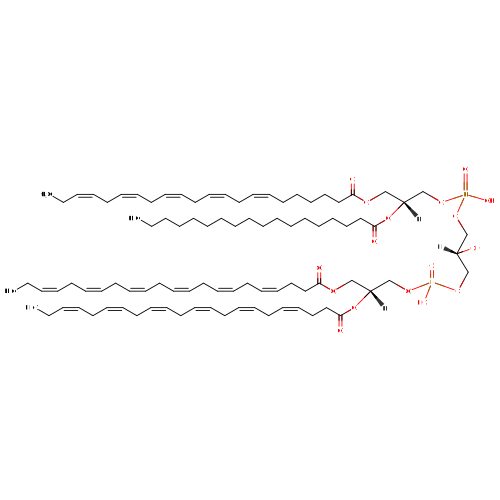
Matched description: … at the C4 position fatty acids. ... Cardiolipins are sometimes called a 'double' phospholipid because they have four fatty acid tails, instead ... De novo synthesis of Cardiolipins begins with condensing phosphatidic acid (PA) with cytidine-5’-triphosphate …
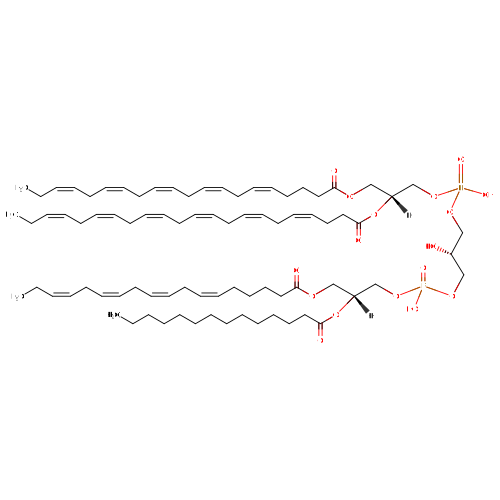
Matched description: … at the C4 position fatty acids. ... Cardiolipins are sometimes called a 'double' phospholipid because they have four fatty acid tails, instead ... position, one chain of (6Z,9Z,12Z,15Z-octadecatetraenoyl) at the C3 position, one chain of tetradecanoic acid …
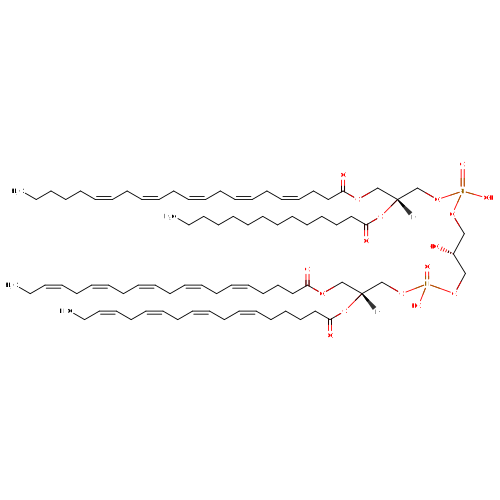
Matched description: … Cardiolipins are sometimes called a 'double' phospholipid because they have four fatty acid tails, instead ... contains one chain of (4Z,7Z,10Z,13Z,16Z-docosapentaenoyl) at the C1 position, one chain of tetradecanoic acid ... De novo synthesis of Cardiolipins begins with condensing phosphatidic acid (PA) with cytidine-5’-triphosphate …
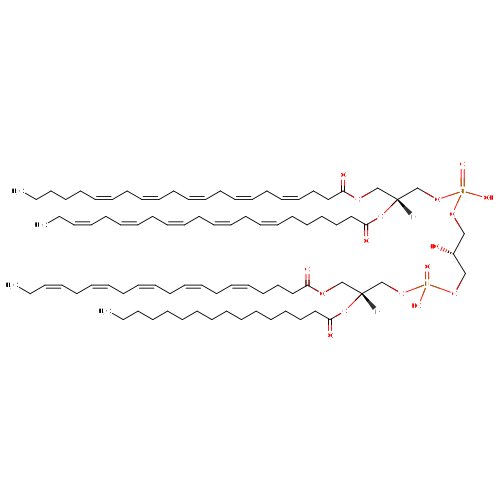
Matched description: … at the C4 position fatty acids. ... Cardiolipins are sometimes called a 'double' phospholipid because they have four fatty acid tails, instead ... position, one chain of (5Z,8Z,11Z,14Z,17Z-eicosapentaenoyl) at the C3 position, one chain of hexadecanoic acid …
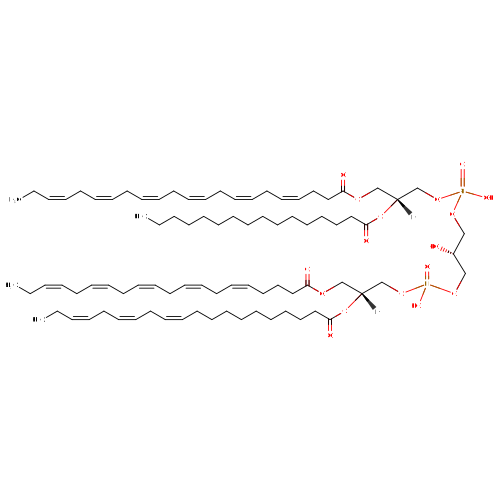
Matched description: … Cardiolipins are sometimes called a 'double' phospholipid because they have four fatty acid tails, instead ... one chain of (4Z,7Z,10Z,13Z,16Z,19Z-docosahexaenoyl) at the C1 position, one chain of hexadecanoic acid ... De novo synthesis of Cardiolipins begins with condensing phosphatidic acid (PA) with cytidine-5’-triphosphate …
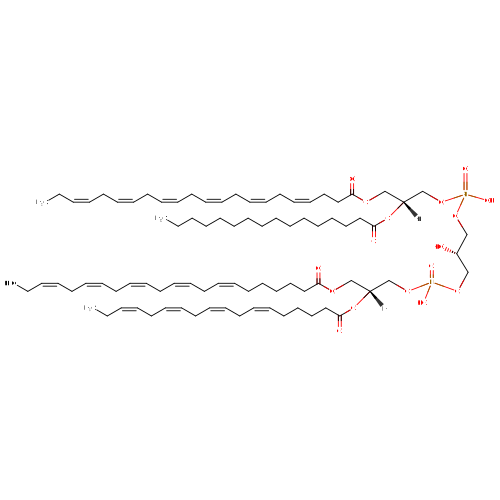
Matched description: … Cardiolipins are sometimes called a 'double' phospholipid because they have four fatty acid tails, instead ... one chain of (4Z,7Z,10Z,13Z,16Z,19Z-docosahexaenoyl) at the C1 position, one chain of hexadecanoic acid ... De novo synthesis of Cardiolipins begins with condensing phosphatidic acid (PA) with cytidine-5’-triphosphate …
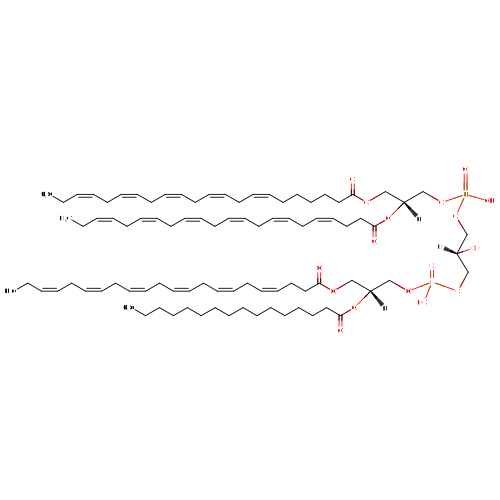
Matched description: … Cardiolipins are sometimes called a 'double' phospholipid because they have four fatty acid tails, instead ... at the C2 position, one chain of (7Z,10Z,13Z,16Z,19Z-docosapentaenoyl) at the C3 position fatty acids ... chains of (4Z,7Z,10Z,13Z,16Z,19Z-docosahexaenoyl) at the C1 and C4 positions, one chain of hexadecanoic acid …
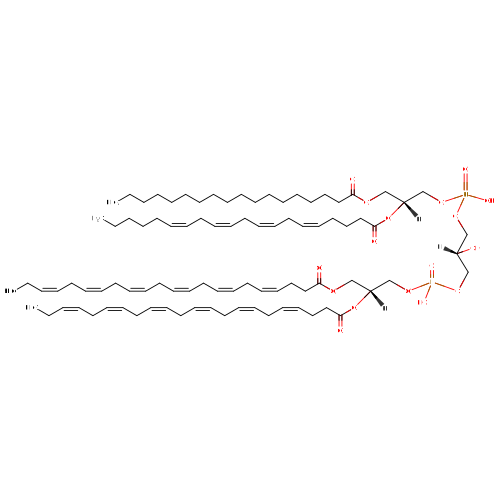
Matched description: … at the C3 position, one chain of (5Z,8Z,11Z,14Z-eicosatetraenoyl) at the C4 position fatty acids. ... Cardiolipins are sometimes called a 'double' phospholipid because they have four fatty acid tails, instead ... chains of (4Z,7Z,10Z,13Z,16Z,19Z-docosahexaenoyl) at the C1 and C2 positions, one chain of octadecanoic acid …
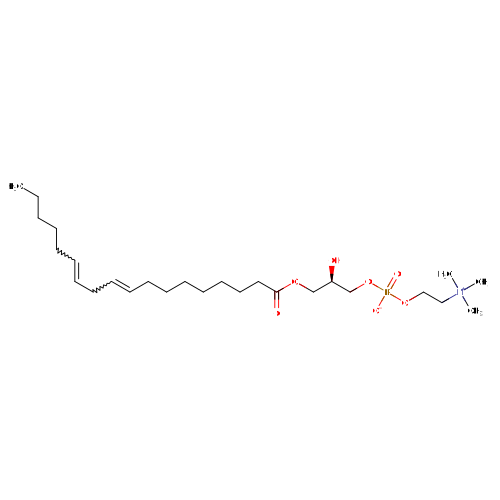
Matched description: … The linoleic acid moiety is derived from seed oils. ... Fatty acids containing 16, 18 and 20 carbons are the most common. ... LysoPC(18:2(9Z,12Z)), in particular, consists of one chain of linoleic acid at the C-1 position. …
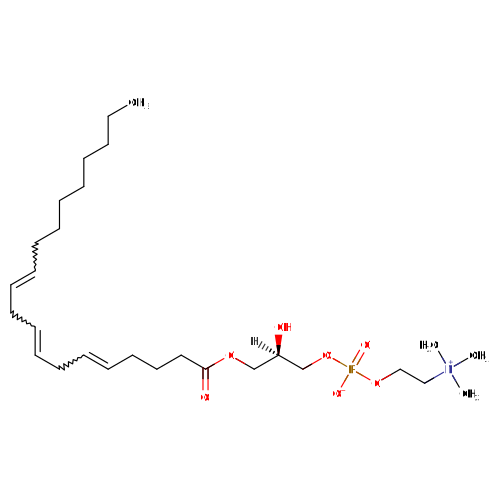
Matched description: … Fatty acids containing 16, 18 and 20 carbons are the most common. ... The mead acid moiety is derived from fish oils, liver and kidney. ... LysoPC(20:3(5Z,8Z,11Z)), in particular, consists of one chain of mead acid at the C-1 position. …
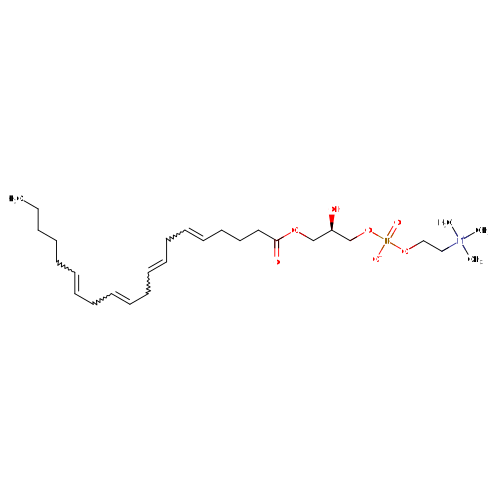
Matched description: … Fatty acids containing 16, 18 and 20 carbons are the most common. ... The arachidonic acid moiety is derived from animal fats and eggs. ... Lysophosphatidylcholines can have different combinations of fatty acids of varying lengths and saturation …
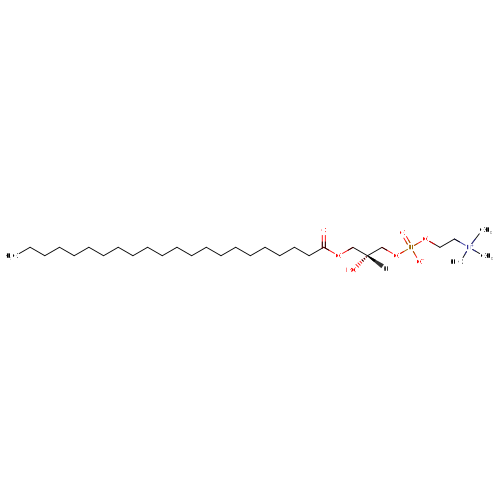
Matched description: … The behenic acid moiety is derived from groundnut oil. ... Fatty acids containing 16, 18 and 20 carbons are the most common. ... LysoPC(22:0), in particular, consists of one chain of behenic acid at the C-1 position. …
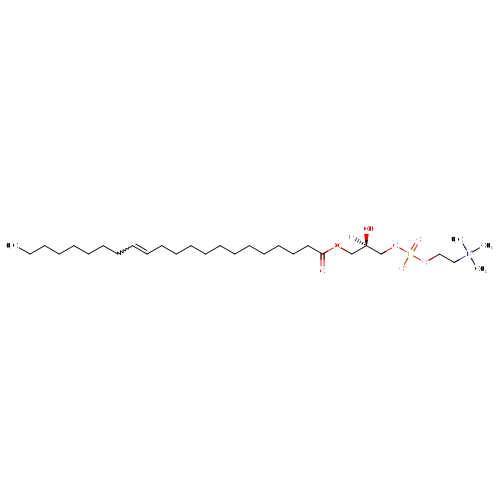
Matched description: … The erucic acid moiety is derived from seed oils and avocados. ... Fatty acids containing 16, 18 and 20 carbons are the most common. ... LysoPC(22:1(13Z)), in particular, consists of one chain of erucic acid at the C-1 position. …