
Search Results for compounds
Searching compounds for acetyl acid returned 239580 results.
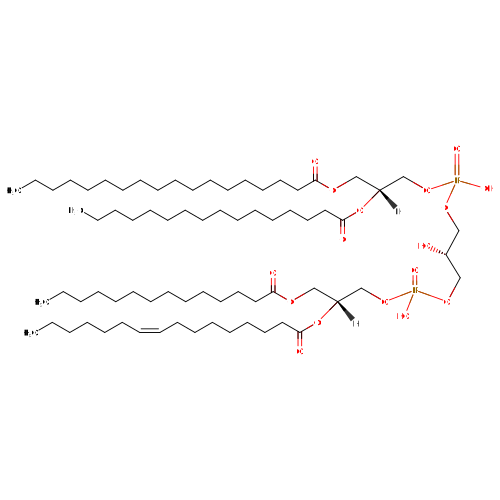
Matched description: … hexadecanoic acid at the C2 position, one chain of tetradecanoic acid at the C3 position, one chain of ... (9Z-hexadecenoyl) at the C4 position fatty acids. ... CL(18:0/16:0/14:0/16:1(9Z)) contains one chain of octadecanoic acid at the C1 position, one chain of …
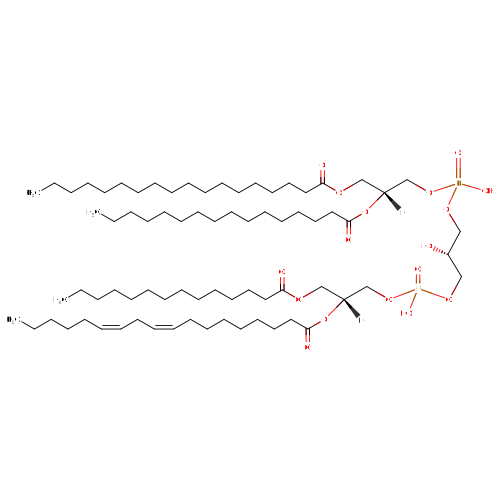
Matched description: … of hexadecanoic acid at the C2 position, one chain of tetradecanoic acid at the C3 position, one chain ... of (9Z,12Z-octadecadienoyl) at the C4 position fatty acids. ... CL(18:0/16:0/14:0/18:2(9Z,12Z)) contains one chain of octadecanoic acid at the C1 position, one chain …
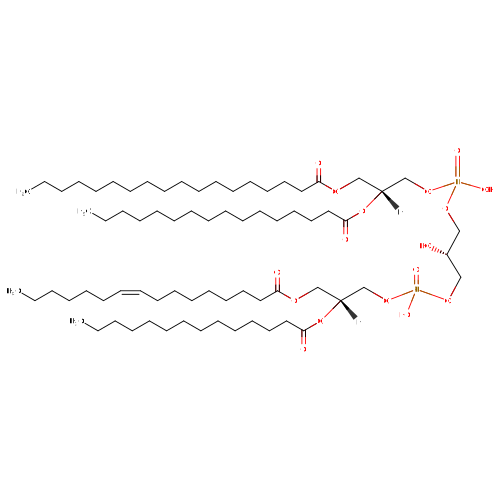
Matched description: … tetradecanoic acid at the C4 position fatty acids. ... CL(18:0/16:0/16:1(9Z)/14:0) contains one chain of octadecanoic acid at the C1 position, one chain of ... Cardiolipins are sometimes called a 'double' phospholipid because they have four fatty acid tails, instead …
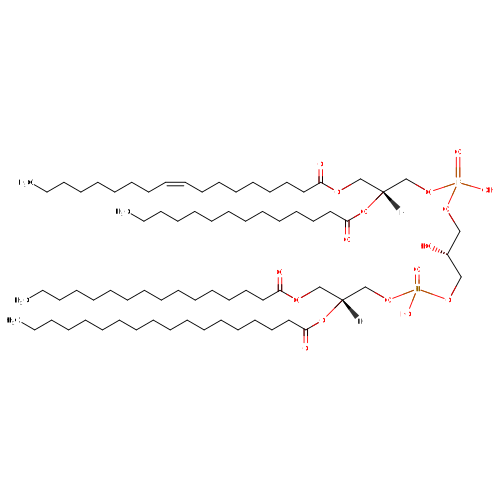
Matched description: … at the C4 position fatty acids. ... at the C2 position, one chain of hexadecanoic acid at the C3 position, one chain of octadecanoic acid ... Cardiolipins are sometimes called a 'double' phospholipid because they have four fatty acid tails, instead …
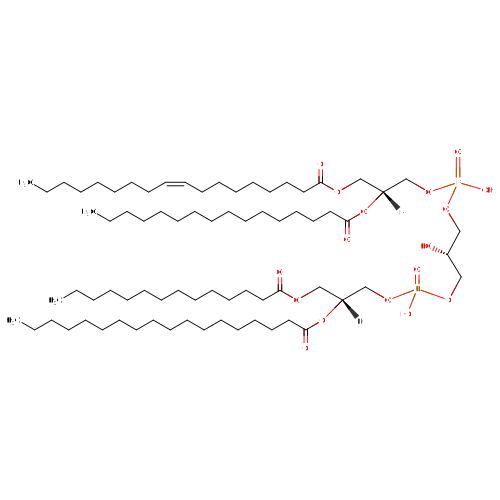
Matched description: … at the C4 position fatty acids. ... at the C2 position, one chain of tetradecanoic acid at the C3 position, one chain of octadecanoic acid ... Cardiolipins are sometimes called a 'double' phospholipid because they have four fatty acid tails, instead …
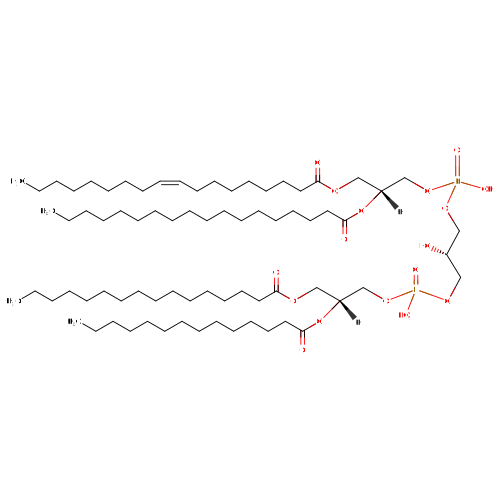
Matched description: … at the C4 position fatty acids. ... at the C2 position, one chain of hexadecanoic acid at the C3 position, one chain of tetradecanoic acid ... Cardiolipins are sometimes called a 'double' phospholipid because they have four fatty acid tails, instead …
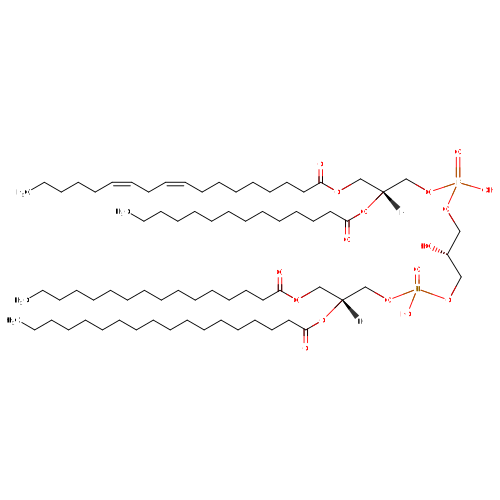
Matched description: … at the C4 position fatty acids. ... at the C2 position, one chain of hexadecanoic acid at the C3 position, one chain of octadecanoic acid ... Cardiolipins are sometimes called a 'double' phospholipid because they have four fatty acid tails, instead …
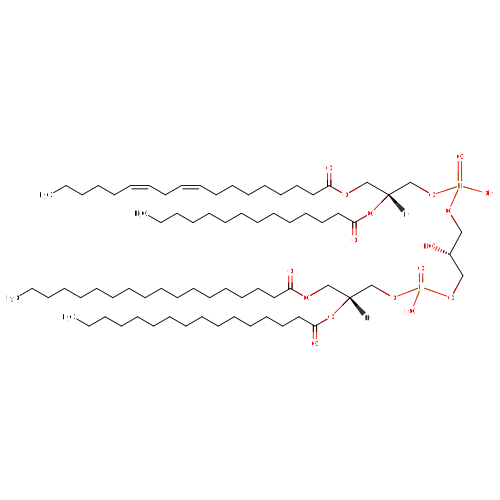
Matched description: … at the C4 position fatty acids. ... at the C2 position, one chain of octadecanoic acid at the C3 position, one chain of hexadecanoic acid ... Cardiolipins are sometimes called a 'double' phospholipid because they have four fatty acid tails, instead …
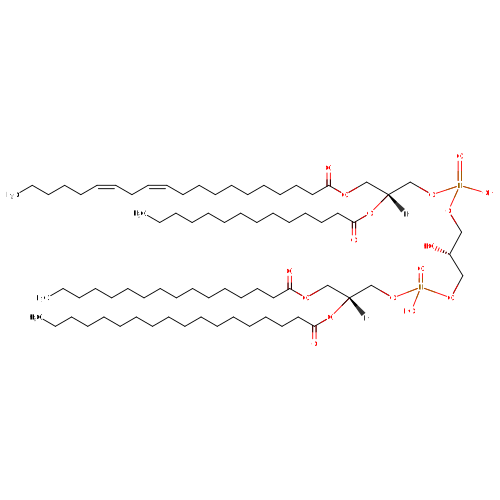
Matched description: … at the C4 position fatty acids. ... at the C2 position, one chain of hexadecanoic acid at the C3 position, one chain of octadecanoic acid ... Cardiolipins are sometimes called a 'double' phospholipid because they have four fatty acid tails, instead …
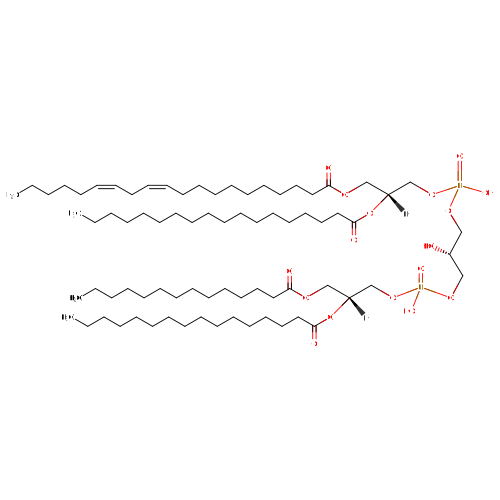
Matched description: … at the C4 position fatty acids. ... at the C2 position, one chain of tetradecanoic acid at the C3 position, one chain of hexadecanoic acid ... Cardiolipins are sometimes called a 'double' phospholipid because they have four fatty acid tails, instead …
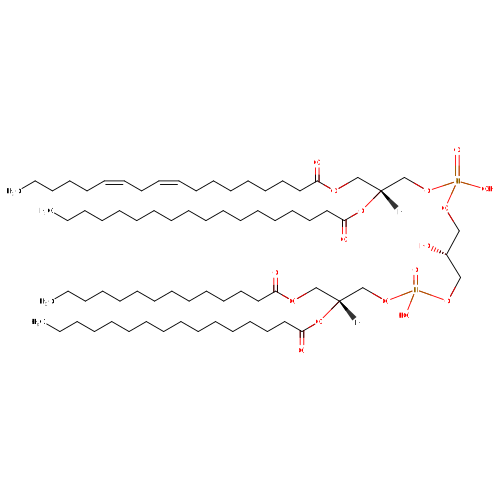
Matched description: … at the C4 position fatty acids. ... at the C2 position, one chain of tetradecanoic acid at the C3 position, one chain of hexadecanoic acid ... Cardiolipins are sometimes called a 'double' phospholipid because they have four fatty acid tails, instead …
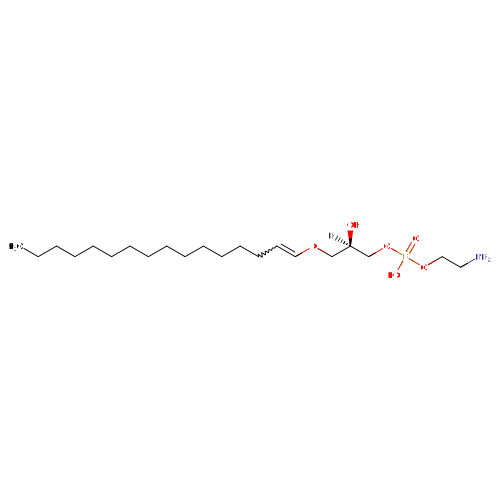
Matched description: … While most phospholipids have a saturated fatty acid on C-1 and an unsaturated fatty acid on C-2 of the ... They mostly have palmitic or stearic acid on carbon 1 and a long chain unsaturated fatty acid (e.g. 18 ... The ethanolamine is then transferred from CDP-ethanolamine to phosphatidic acid to yield PE. …
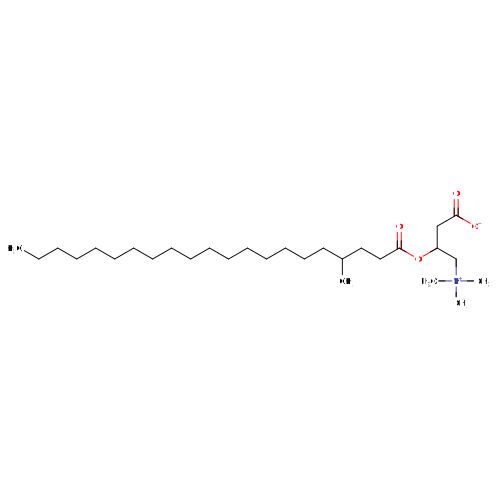
Matched description: … The general role of acylcarnitines is to transport acyl-groups (organic acids and fatty acids) from the ... More specifically, it is an 4-methylhenicosanoic acid ester of carnitine. ... Very-long-chain fatty acids are generally too long to be involved in mitochondrial beta-oxidation. …
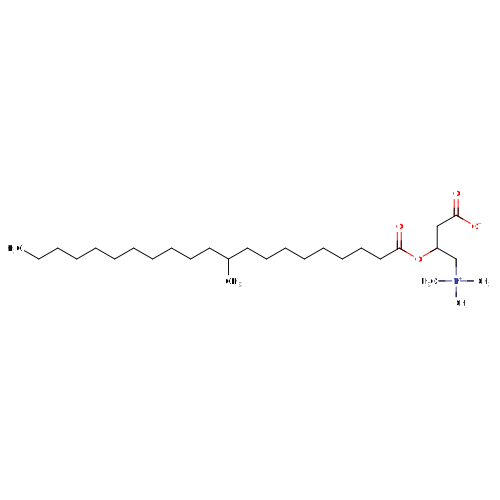
Matched description: … The general role of acylcarnitines is to transport acyl-groups (organic acids and fatty acids) from the ... More specifically, it is an 10-methylhenicosanoic acid ester of carnitine. ... Very-long-chain fatty acids are generally too long to be involved in mitochondrial beta-oxidation. …
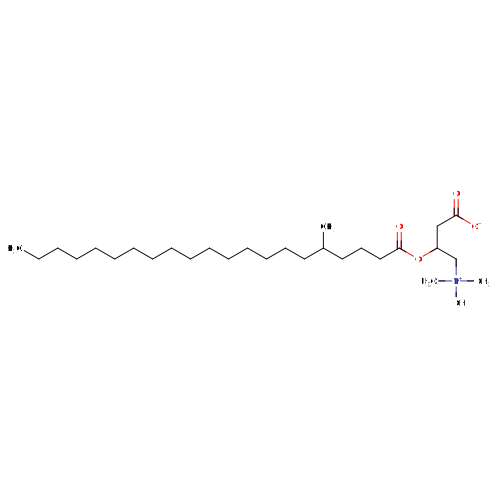
Matched description: … The general role of acylcarnitines is to transport acyl-groups (organic acids and fatty acids) from the ... More specifically, it is an 5-methylhenicosanoic acid ester of carnitine. ... Very-long-chain fatty acids are generally too long to be involved in mitochondrial beta-oxidation. …
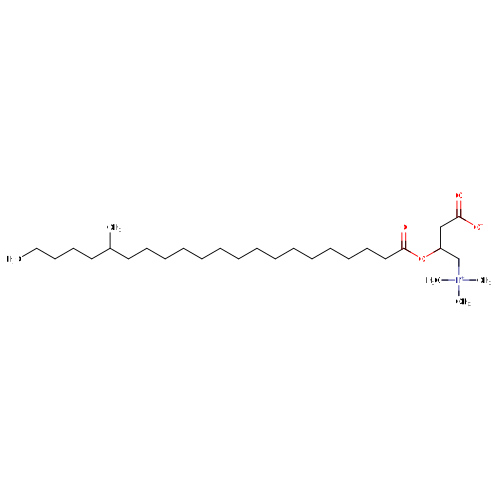
Matched description: … The general role of acylcarnitines is to transport acyl-groups (organic acids and fatty acids) from the ... More specifically, it is an 17-methyldocosanoic acid ester of carnitine. ... Very-long-chain fatty acids are generally too long to be involved in mitochondrial beta-oxidation. …
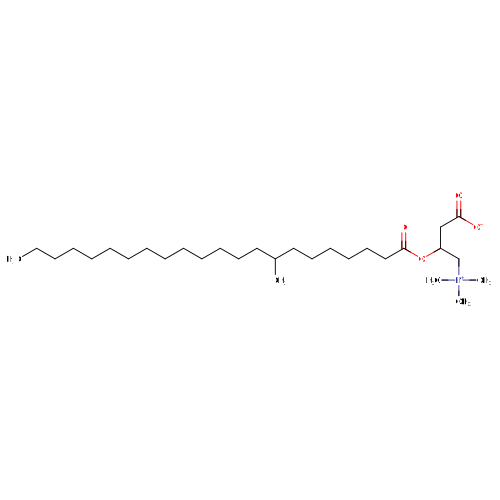
Matched description: … The general role of acylcarnitines is to transport acyl-groups (organic acids and fatty acids) from the ... More specifically, it is an 8-methyldocosanoic acid ester of carnitine. ... Very-long-chain fatty acids are generally too long to be involved in mitochondrial beta-oxidation. …
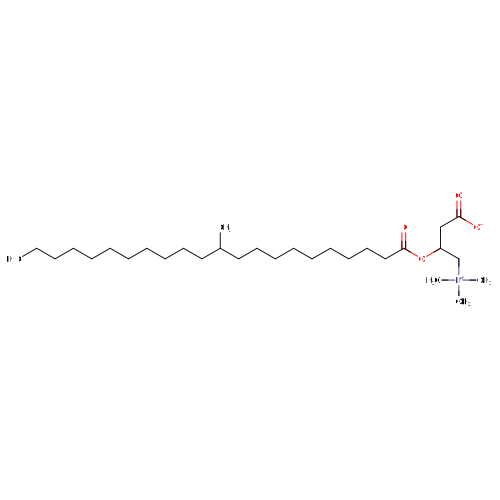
Matched description: … The general role of acylcarnitines is to transport acyl-groups (organic acids and fatty acids) from the ... More specifically, it is an 11-methyldocosanoic acid ester of carnitine. ... Very-long-chain fatty acids are generally too long to be involved in mitochondrial beta-oxidation. …
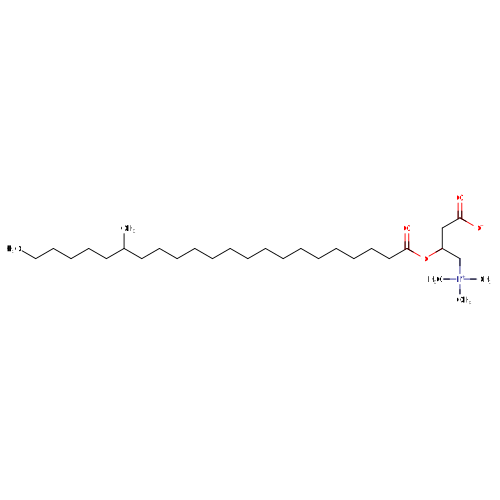
Matched description: … The general role of acylcarnitines is to transport acyl-groups (organic acids and fatty acids) from the ... More specifically, it is an 17-methyltricosanoic acid ester of carnitine. ... Very-long-chain fatty acids are generally too long to be involved in mitochondrial beta-oxidation. …
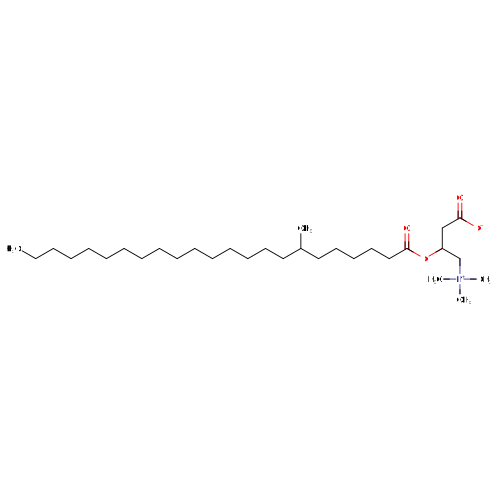
Matched description: … The general role of acylcarnitines is to transport acyl-groups (organic acids and fatty acids) from the ... More specifically, it is an 7-methyltricosanoic acid ester of carnitine. ... Very-long-chain fatty acids are generally too long to be involved in mitochondrial beta-oxidation. …
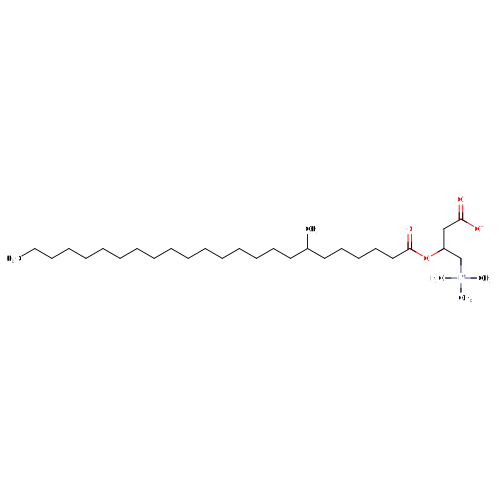
Matched description: … The general role of acylcarnitines is to transport acyl-groups (organic acids and fatty acids) from the ... More specifically, it is an 7-methyltetracosanoic acid ester of carnitine. ... Very-long-chain fatty acids are generally too long to be involved in mitochondrial beta-oxidation. …
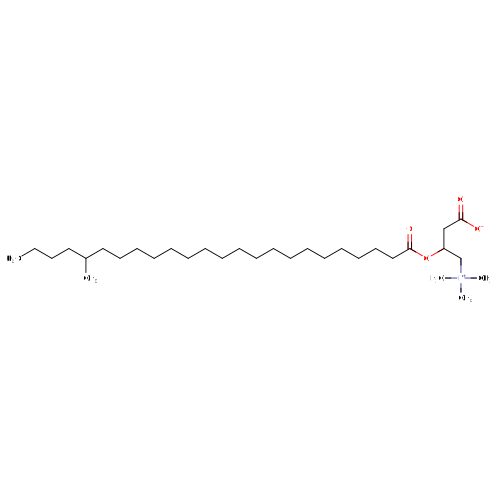
Matched description: … The general role of acylcarnitines is to transport acyl-groups (organic acids and fatty acids) from the ... More specifically, it is an 20-methyltetracosanoic acid ester of carnitine. ... Very-long-chain fatty acids are generally too long to be involved in mitochondrial beta-oxidation. …
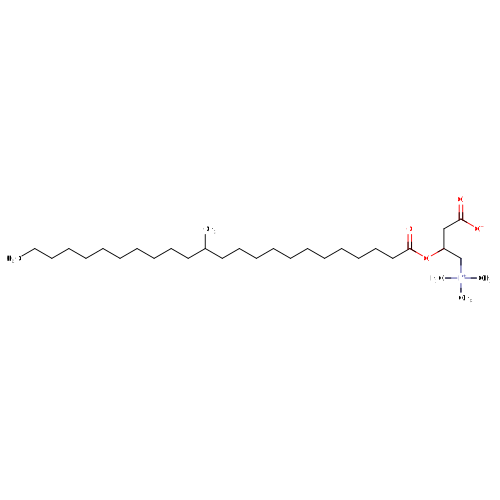
Matched description: … The general role of acylcarnitines is to transport acyl-groups (organic acids and fatty acids) from the ... More specifically, it is an 13-methyltetracosanoic acid ester of carnitine. ... Very-long-chain fatty acids are generally too long to be involved in mitochondrial beta-oxidation. …
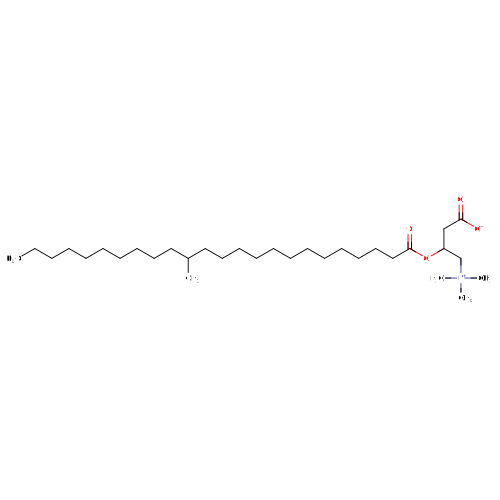
Matched description: … The general role of acylcarnitines is to transport acyl-groups (organic acids and fatty acids) from the ... More specifically, it is an 14-methyltetracosanoic acid ester of carnitine. ... Very-long-chain fatty acids are generally too long to be involved in mitochondrial beta-oxidation. …
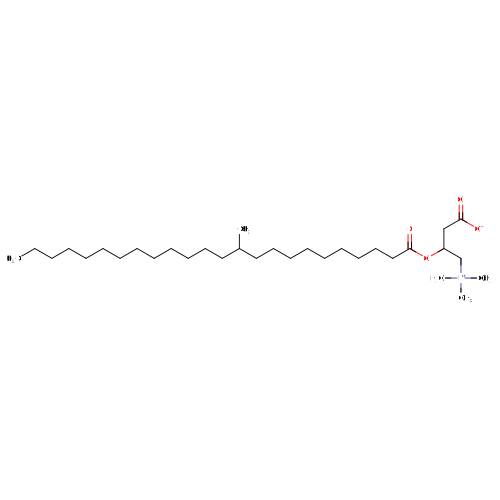
Matched description: … The general role of acylcarnitines is to transport acyl-groups (organic acids and fatty acids) from the ... More specifically, it is an 11-methyltetracosanoic acid ester of carnitine. ... Very-long-chain fatty acids are generally too long to be involved in mitochondrial beta-oxidation. …