
Search Results for compounds
Searching compounds for acetyl acid returned 239580 results.
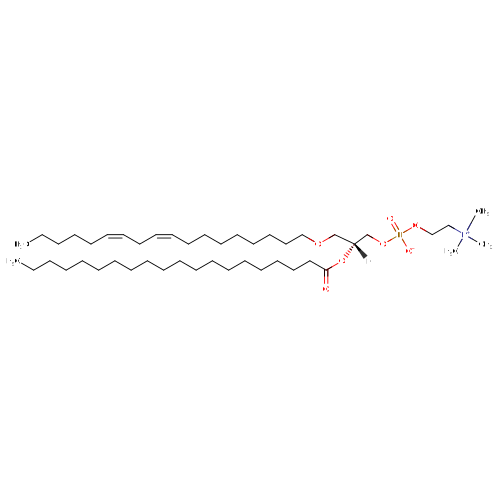
Matched description: … While most phospholipids have a saturated fatty acid on C-1 and an unsaturated fatty acid on C-2 of the ... Fatty acids containing 16, 18 and 20 carbons are the most common. ... the case with diacylglycerols, glycerophosphocholines can have many different combinations of fatty acids …
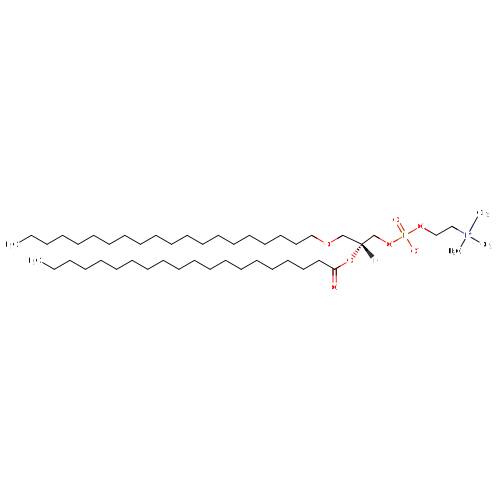
Matched description: … While most phospholipids have a saturated fatty acid on C-1 and an unsaturated fatty acid on C-2 of the ... Fatty acids containing 16, 18 and 20 carbons are the most common. ... the case with diacylglycerols, glycerophosphocholines can have many different combinations of fatty acids …
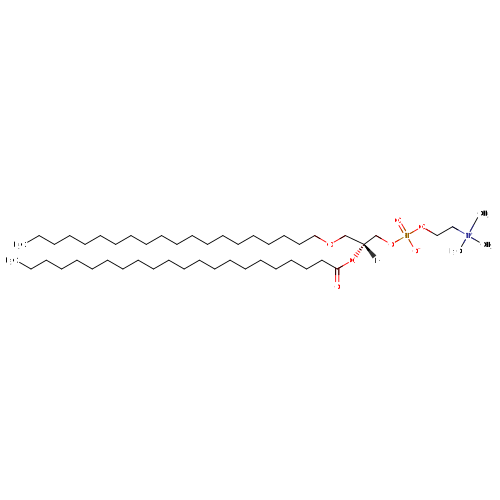
Matched description: … While most phospholipids have a saturated fatty acid on C-1 and an unsaturated fatty acid on C-2 of the ... Fatty acids containing 16, 18 and 20 carbons are the most common. ... the case with diacylglycerols, glycerophosphocholines can have many different combinations of fatty acids …
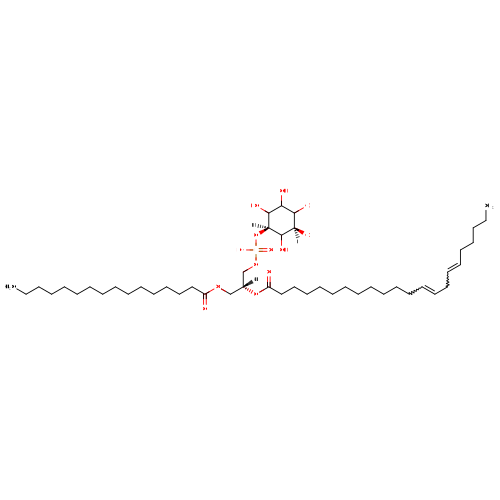
Matched description: … Phosphatidylinositols are acidic (anionic) phospholipids that consist of a phosphatidic acid backbone ... PIs contain almost exclusively stearic acid at carbon 1 and arachidonic acid at carbon 2. ... on C-1 and an unsaturated fatty acid on C-2 of the glycerol backbone, the fatty acid distribution at …
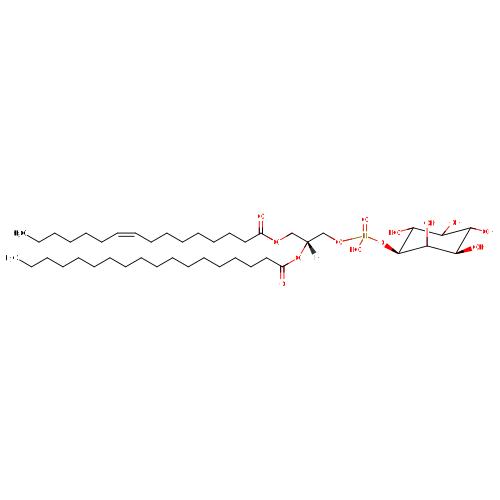
Matched description: … Phosphatidylinositols are acidic (anionic) phospholipids that consist of a phosphatidic acid backbone ... PIs contain almost exclusively stearic acid at carbon 1 and arachidonic acid at carbon 2. ... The palmitoleic acid moiety is derived from animal fats and vegetable oils, while the stearic acid moiety …
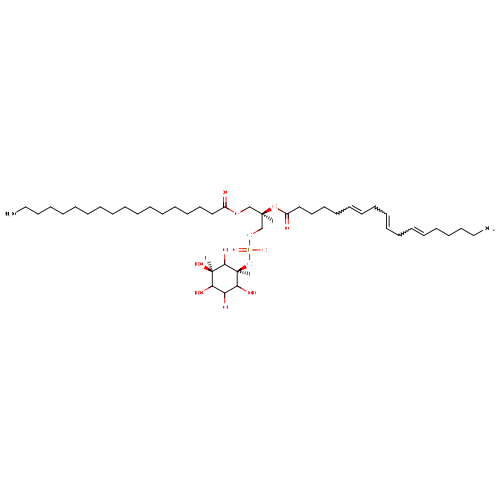
Matched description: … Phosphatidylinositols are acidic (anionic) phospholipids that consist of a phosphatidic acid backbone ... PIs contain almost exclusively stearic acid at carbon 1 and arachidonic acid at carbon 2. ... on C-1 and an unsaturated fatty acid on C-2 of the glycerol backbone, the fatty acid distribution at …
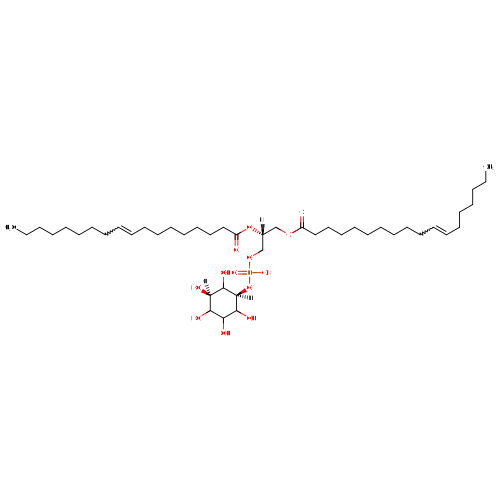
Matched description: … Phosphatidylinositols are acidic (anionic) phospholipids that consist of a phosphatidic acid backbone ... PIs contain almost exclusively stearic acid at carbon 1 and arachidonic acid at carbon 2. ... The vaccenic acid moiety is derived from butter fat and animal fat, while the oleic acid moiety is derived …
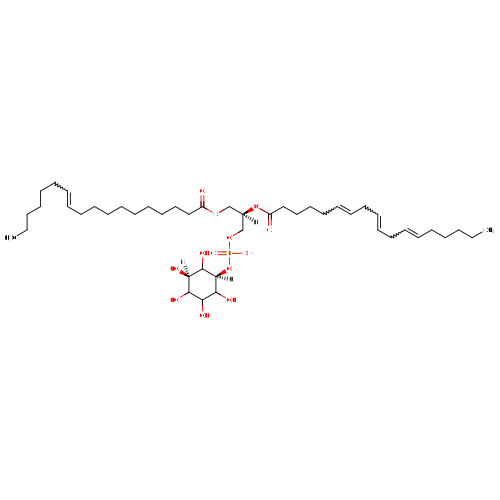
Matched description: … Phosphatidylinositols are acidic (anionic) phospholipids that consist of a phosphatidic acid backbone ... PIs contain almost exclusively stearic acid at carbon 1 and arachidonic acid at carbon 2. ... The vaccenic acid moiety is derived from butter fat and animal fat, while the g-linolenic acid moiety …
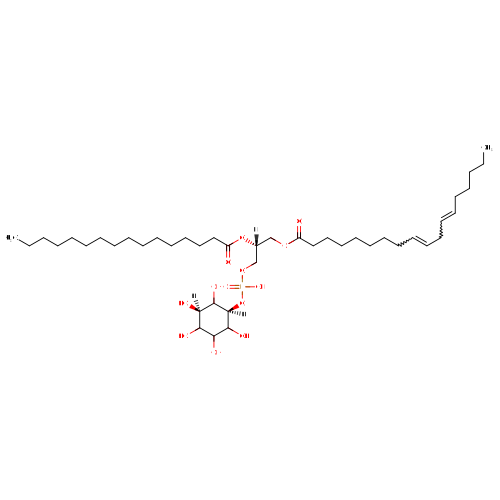
Matched description: … Phosphatidylinositols are acidic (anionic) phospholipids that consist of a phosphatidic acid backbone ... PIs contain almost exclusively stearic acid at carbon 1 and arachidonic acid at carbon 2. ... The linoleic acid moiety is derived from seed oils, while the palmitic acid moiety is derived from fish …
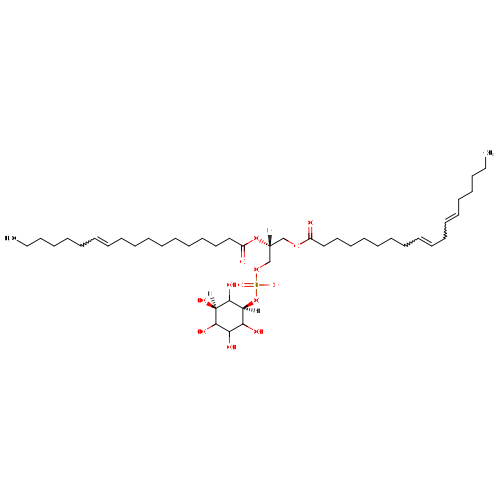
Matched description: … Phosphatidylinositols are acidic (anionic) phospholipids that consist of a phosphatidic acid backbone ... PIs contain almost exclusively stearic acid at carbon 1 and arachidonic acid at carbon 2. ... The linoleic acid moiety is derived from seed oils, while the vaccenic acid moiety is derived from butter …
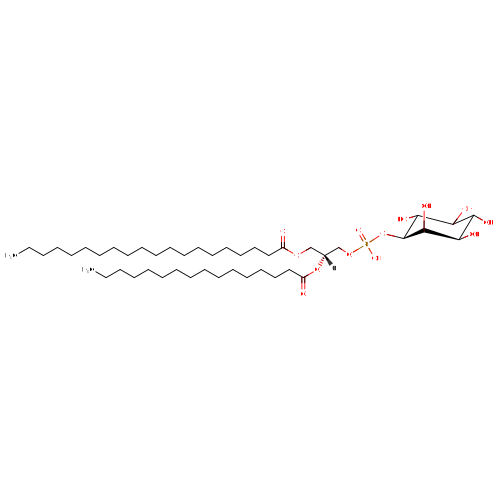
Matched description: … Phosphatidylinositols are acidic (anionic) phospholipids that consist of a phosphatidic acid backbone ... PIs contain almost exclusively stearic acid at carbon 1 and arachidonic acid at carbon 2. ... The arachidic acid moiety is derived from peanut oil, while the palmitic acid moiety is derived from …
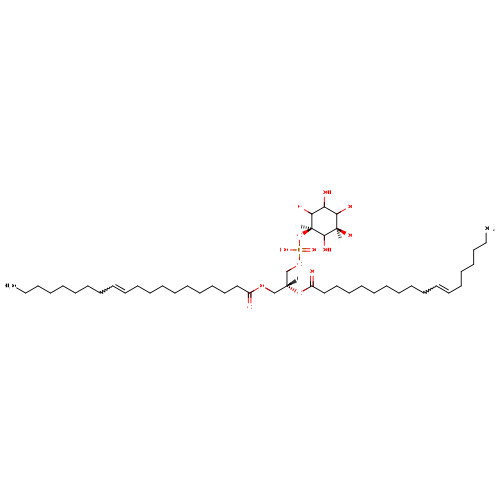
Matched description: … Phosphatidylinositols are acidic (anionic) phospholipids that consist of a phosphatidic acid backbone ... PIs contain almost exclusively stearic acid at carbon 1 and arachidonic acid at carbon 2. ... The eicosenoic acid moiety is derived from vegetable oils and cod oils, while the vaccenic acid moiety …
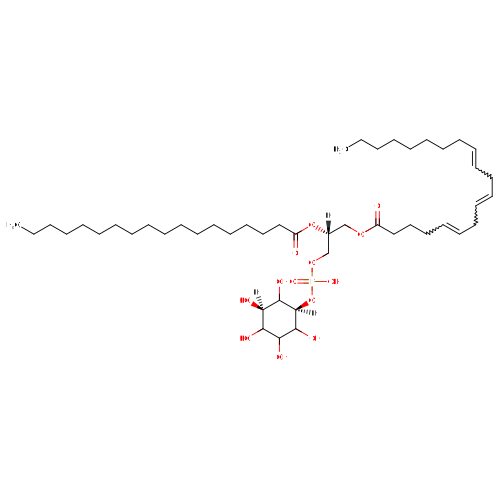
Matched description: … Phosphatidylinositols are acidic (anionic) phospholipids that consist of a phosphatidic acid backbone ... PIs contain almost exclusively stearic acid at carbon 1 and arachidonic acid at carbon 2. ... The mead acid moiety is derived from fish oils, liver and kidney, while the stearic acid moiety is derived …
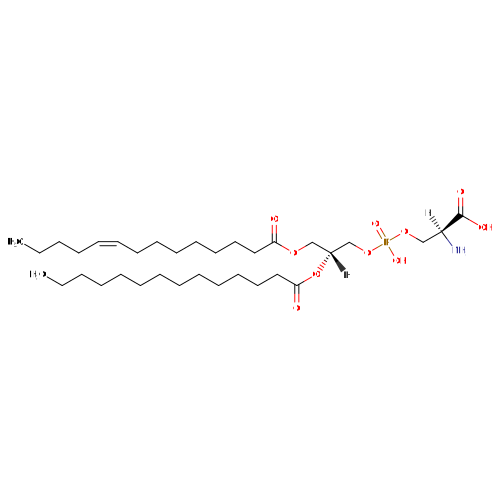
Matched description: … The myristoleic acid moiety is derived from milk fats, while the myristic acid moiety is derived from ... They mostly have palmitic or stearic acid on carbon 1 and a long chain unsaturated fatty acid (e.g. 18 ... While most phospholipids have a saturated fatty acid on C-1 and an unsaturated fatty acid on C-2 of the …
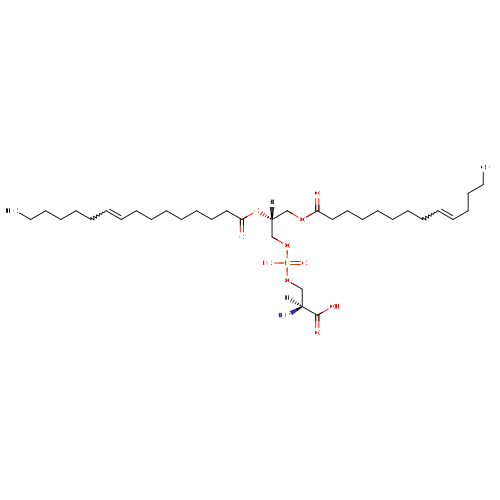
Matched description: … The myristoleic acid moiety is derived from milk fats, while the palmitoleic acid moiety is derived from ... They mostly have palmitic or stearic acid on carbon 1 and a long chain unsaturated fatty acid (e.g. 18 ... While most phospholipids have a saturated fatty acid on C-1 and an unsaturated fatty acid on C-2 of the …
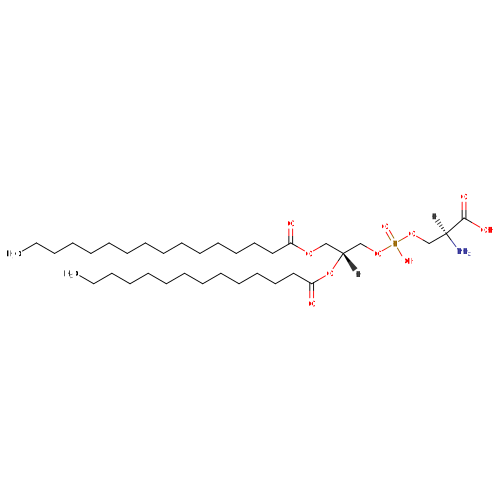
Matched description: … of myristic acid at the C-2 position. ... They mostly have palmitic or stearic acid on carbon 1 and a long chain unsaturated fatty acid (e.g. 18 ... While most phospholipids have a saturated fatty acid on C-1 and an unsaturated fatty acid on C-2 of the …
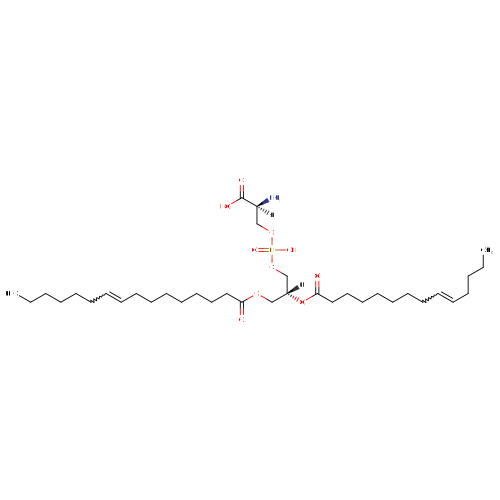
Matched description: … The palmitoleic acid moiety is derived from animal fats and vegetable oils, while the myristoleic acid ... They mostly have palmitic or stearic acid on carbon 1 and a long chain unsaturated fatty acid (e.g. 18 ... While most phospholipids have a saturated fatty acid on C-1 and an unsaturated fatty acid on C-2 of the …
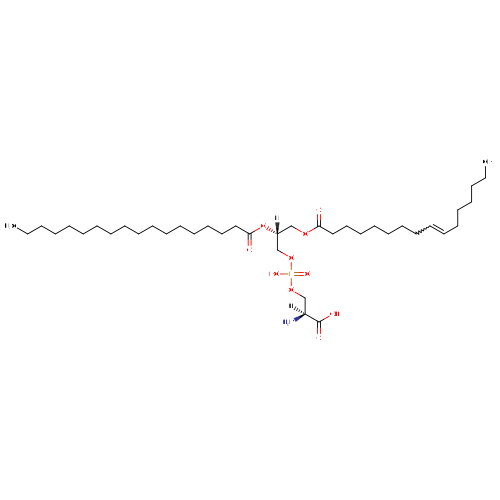
Matched description: … The palmitoleic acid moiety is derived from animal fats and vegetable oils, while the stearic acid moiety ... They mostly have palmitic or stearic acid on carbon 1 and a long chain unsaturated fatty acid (e.g. 18 ... While most phospholipids have a saturated fatty acid on C-1 and an unsaturated fatty acid on C-2 of the …
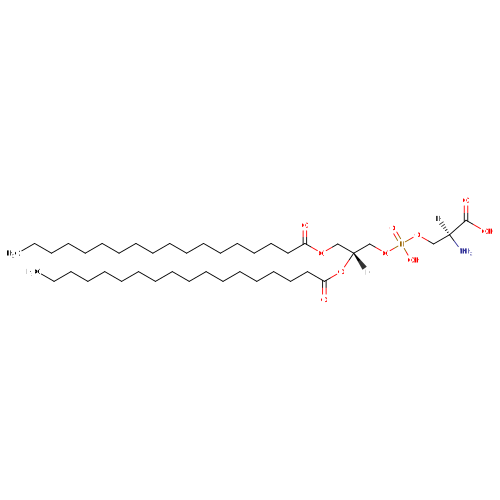
Matched description: … The stearic acid moiety is derived from animal fats, coco butter and sesame oil, while the stearic acid ... of stearic acid at the C-2 position. ... They mostly have palmitic or stearic acid on carbon 1 and a long chain unsaturated fatty acid (e.g. 18 …
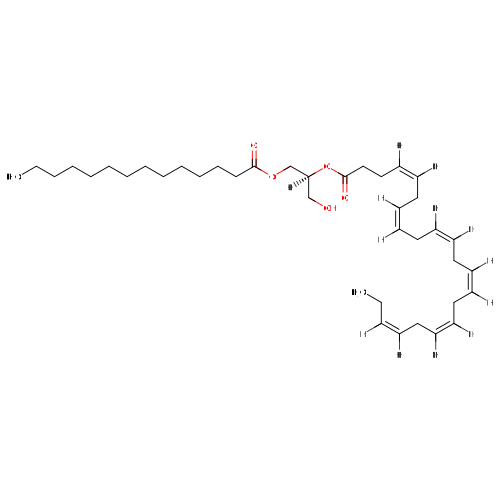
Matched description: … The myristic acid moiety is derived from nutmeg and butter, while the docosahexaenoic acid moiety is ... acid at the C-1 position on the glycerol moiety and an unsaturated fatty acid at the C-2 position. ... C-1 position and one chain of docosahexaenoic acid at the C-2 position. …
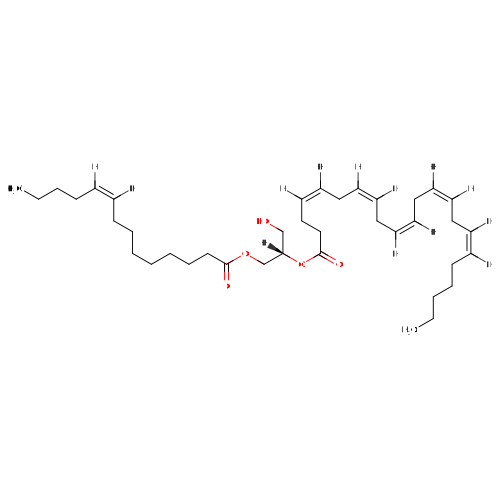
Matched description: … The myristoleic acid moiety is derived from milk fats, while the docosapentaenoic acid moiety is derived ... acid at the C-1 position on the glycerol moiety and an unsaturated fatty acid at the C-2 position. ... the C-1 position and one chain of docosapentaenoic acid at the C-2 position. …
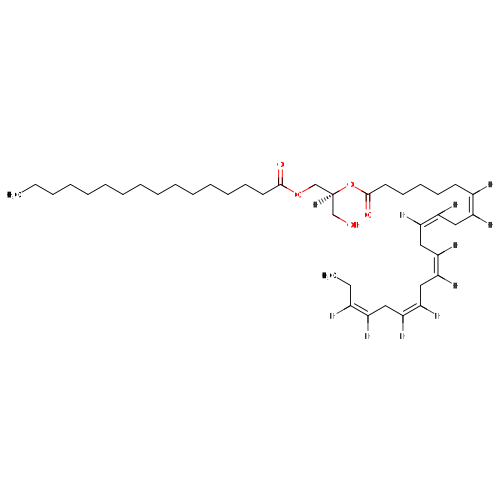
Matched description: … acid at the C-1 position on the glycerol moiety and an unsaturated fatty acid at the C-2 position. ... the docosapentaenoic acid moiety is derived from fish oils. ... -1 position and one chain of docosapentaenoic acid at the C-2 position. …
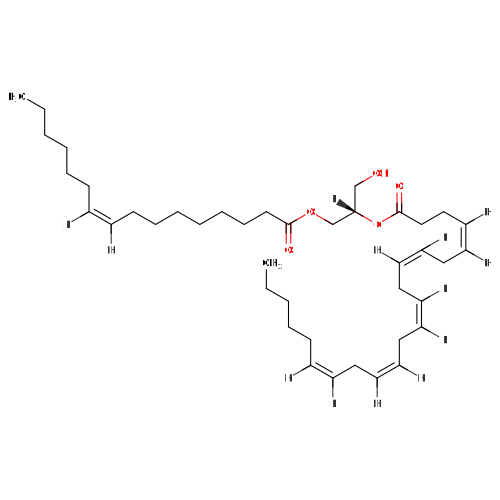
Matched description: … acid at the C-1 position on the glycerol moiety and an unsaturated fatty acid at the C-2 position. ... acid moiety is derived from animal fats and brain. ... the C-1 position and one chain of docosapentaenoic acid at the C-2 position. …
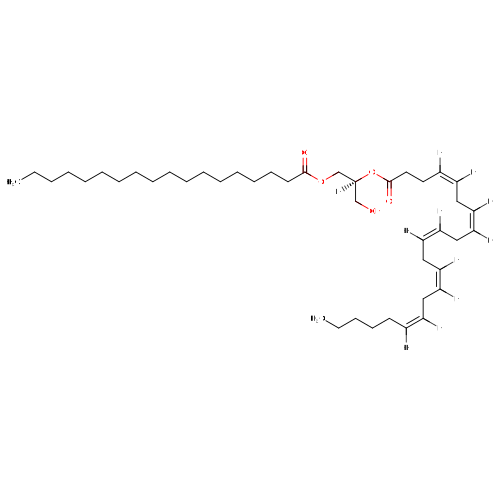
Matched description: … acid at the C-1 position on the glycerol moiety and an unsaturated fatty acid at the C-2 position. ... acid moiety is derived from animal fats and brain. ... position and one chain of docosapentaenoic acid at the C-2 position. …
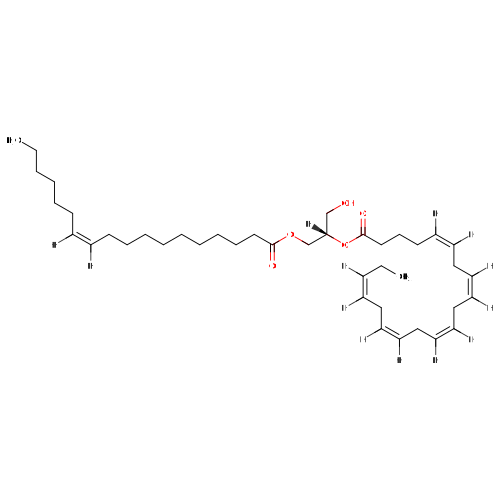
Matched description: … acid at the C-1 position on the glycerol moiety and an unsaturated fatty acid at the C-2 position. ... The vaccenic acid moiety is derived from butter fat and animal fat, while the eicosapentaenoic acid moiety ... C-1 position and one chain of eicosapentaenoic acid at the C-2 position. …