
Search Results for compounds
Searching compounds for acetyl acid returned 239580 results.
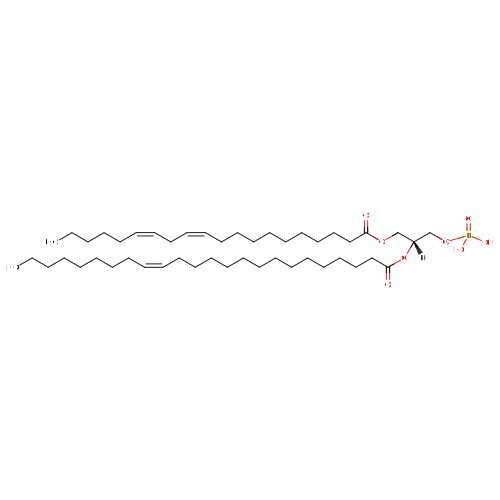
Matched description: … PA(20:2(11Z,14Z)/24:1(15Z)) is a phosphatidic acid. ... and one chain of nervonic acid at the C-2 position. ... Fatty acids containing 16, 18 and 20 carbons are the most common. …
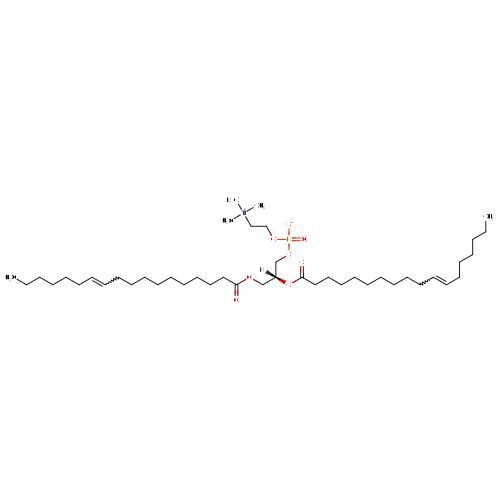
Matched description: … on C-1 and an unsaturated fatty acid on C-2 of the glycerol backbone, the fatty acid distribution at ... Fatty acids containing 16, 18 and 20 carbons are the most common. ... The vaccenic acid moieties are derived from butter fat and animal fat. …
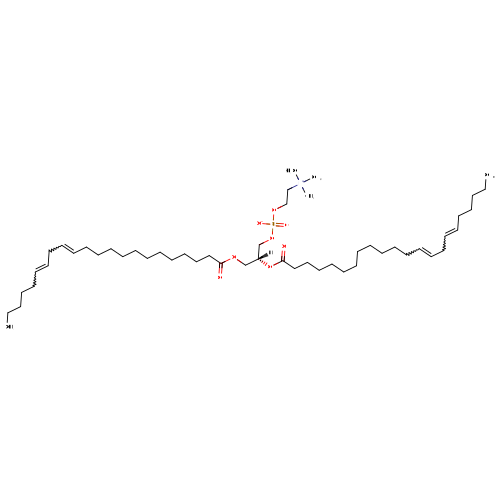
Matched description: … on C-1 and an unsaturated fatty acid on C-2 of the glycerol backbone, the fatty acid distribution at ... The docosadienoic acid moieties are derived from animal fats. ... Fatty acids containing 16, 18 and 20 carbons are the most common. …
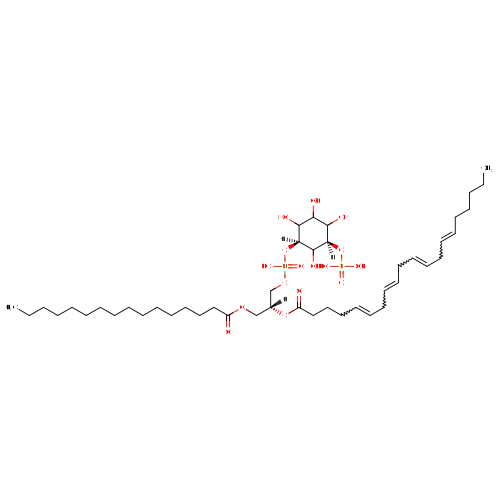
Matched description: … Phosphatidylinositol phosphates are acidic (anionic) phospholipids that consist of a phosphatidic acid ... and one chain of arachidonic acid at the C-2 position. ... Fatty acids containing 18 and 20 carbons are the most common. …
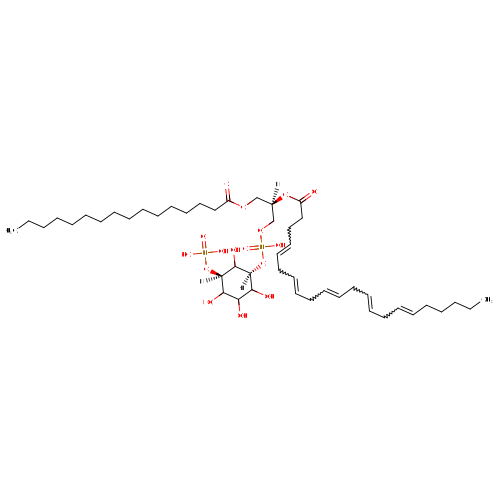
Matched description: … Phosphatidylinositol phosphates are acidic (anionic) phospholipids that consist of a phosphatidic acid ... and one chain of docosapentaenoic acid at the C-2 position. ... Fatty acids containing 18 and 20 carbons are the most common. …
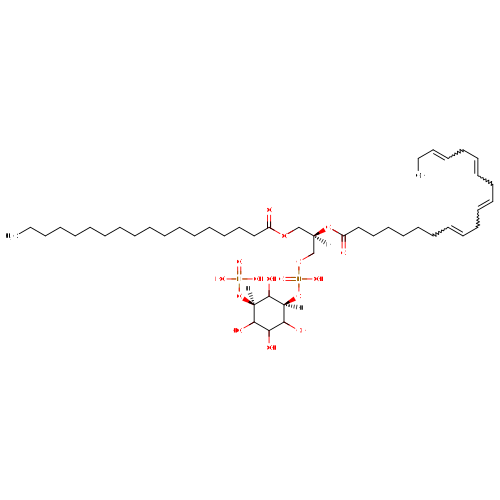
Matched description: … Phosphatidylinositol phosphates are acidic (anionic) phospholipids that consist of a phosphatidic acid ... acid moiety is derived from fish oils. ... and one chain of eicsoatetraenoic acid at the C-2 position. …
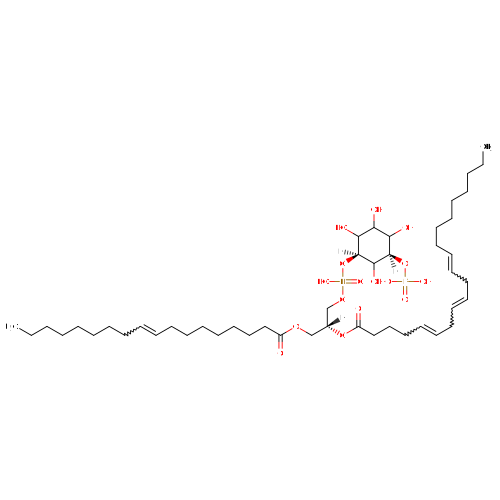
Matched description: … Phosphatidylinositol phosphates are acidic (anionic) phospholipids that consist of a phosphatidic acid ... and one chain of mead acid at the C-2 position. ... acid moiety is derived from fish oils, liver and kidney. …
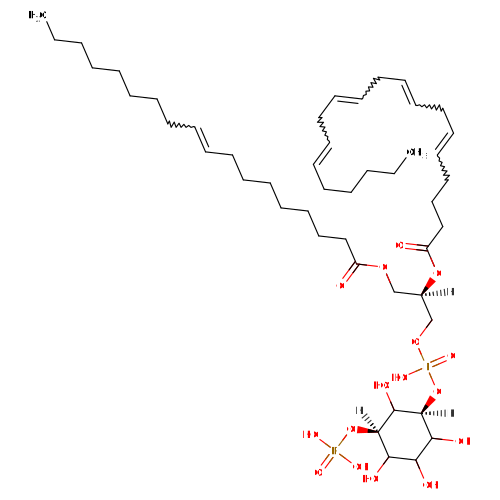
Matched description: … Phosphatidylinositol phosphates are acidic (anionic) phospholipids that consist of a phosphatidic acid ... acid moiety is derived from animal fats and eggs. ... and one chain of arachidonic acid at the C-2 position. …
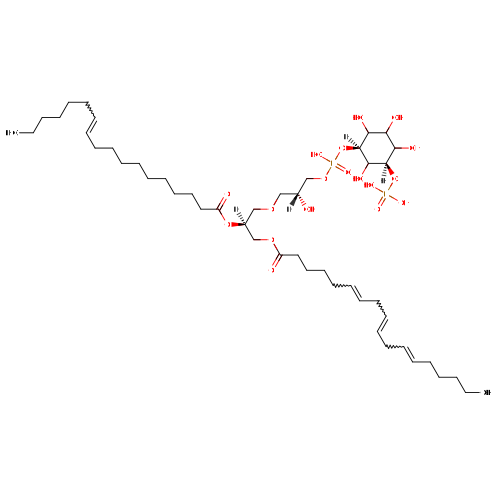
Matched description: … Phosphatidylinositol phosphates are acidic (anionic) phospholipids that consist of a phosphatidic acid ... The g-linolenic acid moiety is derived from animal fats, while the vaccenic acid moiety is derived from ... and one chain of vaccenic acid at the C-2 position. …
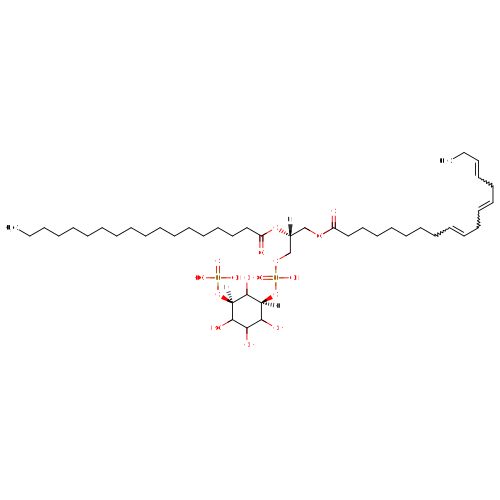
Matched description: … Phosphatidylinositol phosphates are acidic (anionic) phospholipids that consist of a phosphatidic acid ... and one chain of stearic acid at the C-2 position. ... Fatty acids containing 18 and 20 carbons are the most common. …
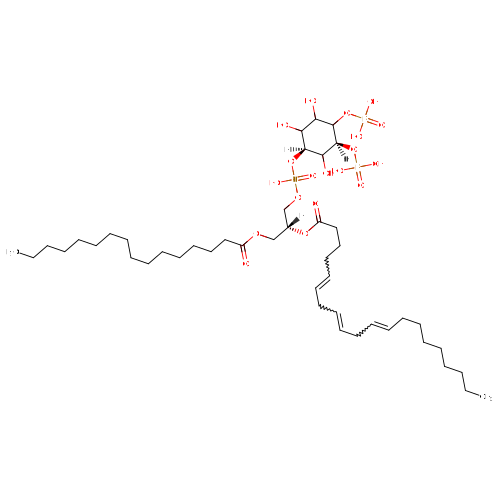
Matched description: … and one chain of mead acid at the C-2 position. ... Fatty acids containing 18 and 20 carbons are the most common. ... the mead acid moiety is derived from fish oils, liver and kidney. …
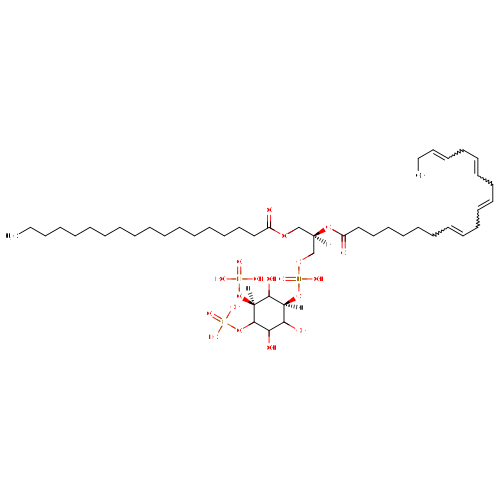
Matched description: … acid moiety is derived from fish oils. ... and one chain of eicsoatetraenoic acid at the C-2 position. ... Fatty acids containing 18 and 20 carbons are the most common. …
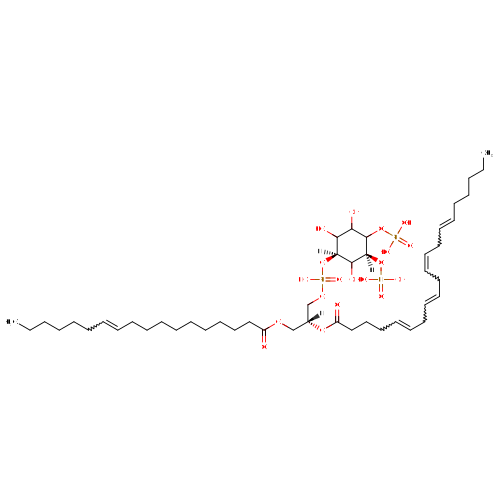
Matched description: … The vaccenic acid moiety is derived from butter fat and animal fat, while the arachidonic acid moiety ... Fatty acids containing 18 and 20 carbons are the most common. ... position and one chain of arachidonic acid at the C-2 position. …
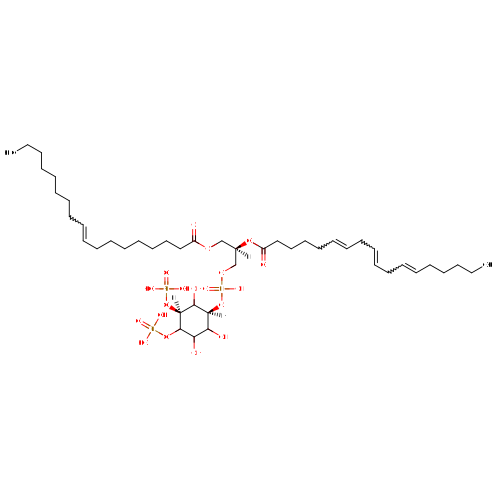
Matched description: … acid moiety is derived from animal fats. ... and one chain of g-linolenic acid at the C-2 position. ... Fatty acids containing 18 and 20 carbons are the most common. …
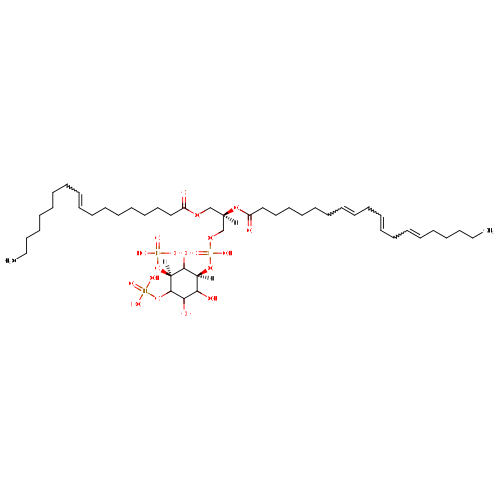
Matched description: … acid moiety is derived from fish oils, liver and kidney. ... and one chain of homo-g-linolenic acid at the C-2 position. ... Fatty acids containing 18 and 20 carbons are the most common. …
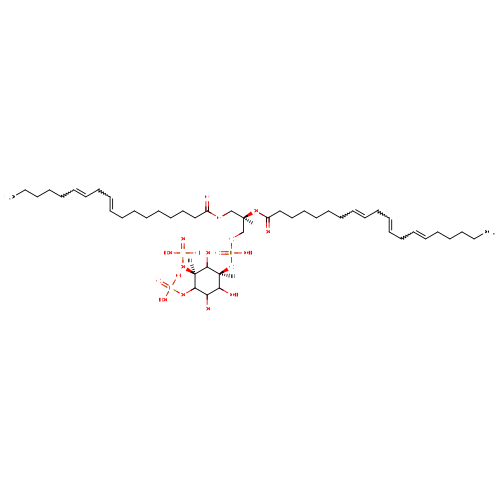
Matched description: … The linoleic acid moiety is derived from seed oils, while the homo-g-linolenic acid moiety is derived ... Fatty acids containing 18 and 20 carbons are the most common. ... position and one chain of homo-g-linolenic acid at the C-2 position. …
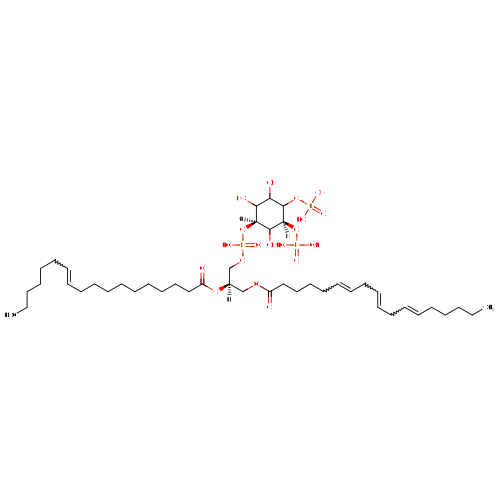
Matched description: … The g-linolenic acid moiety is derived from animal fats, while the vaccenic acid moiety is derived from ... position and one chain of vaccenic acid at the C-2 position. ... Fatty acids containing 18 and 20 carbons are the most common. …
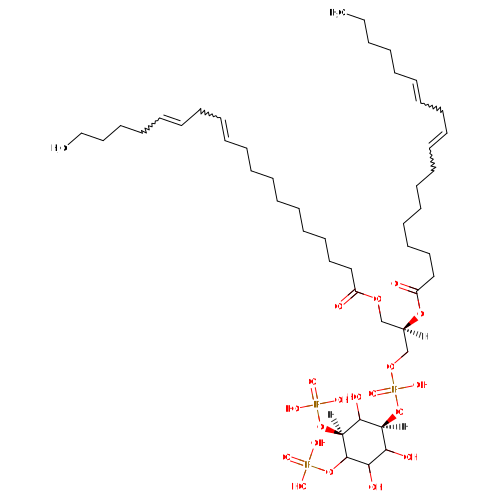
Matched description: … The eicosadienoic acid moiety is derived from fish oils and liver, while the linoleic acid moiety is ... Fatty acids containing 18 and 20 carbons are the most common. ... -1 position and one chain of linoleic acid at the C-2 position. …
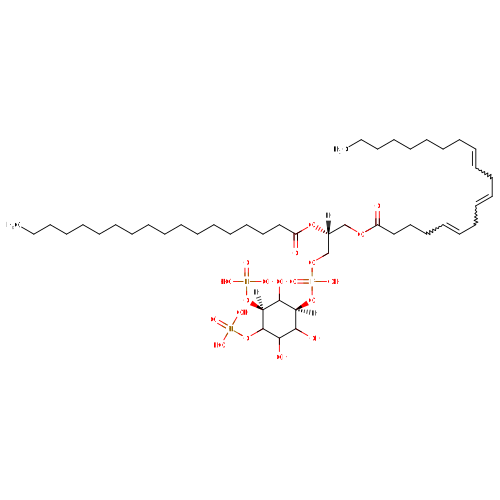
Matched description: … The mead acid moiety is derived from fish oils, liver and kidney, while the stearic acid moiety is derived ... one chain of stearic acid at the C-2 position. ... Fatty acids containing 18 and 20 carbons are the most common. …
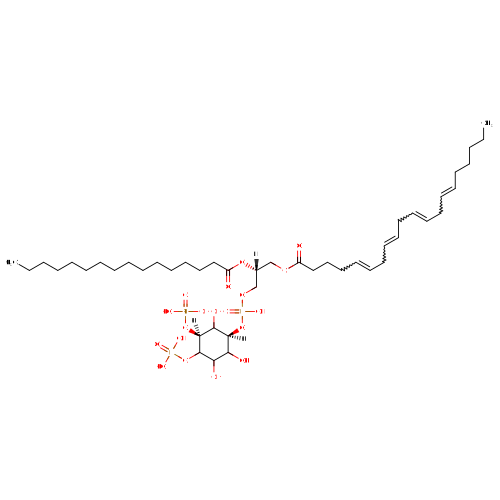
Matched description: … The arachidonic acid moiety is derived from animal fats and eggs, while the palmitic acid moiety is derived ... and one chain of palmitic acid at the C-2 position. ... Fatty acids containing 18 and 20 carbons are the most common. …
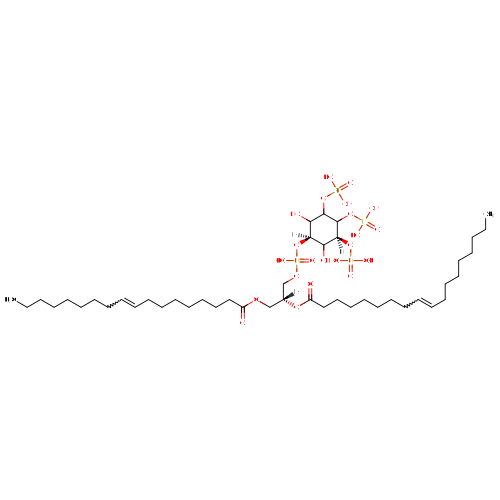
Matched description: … chain of oleic acid at the C-2 position. ... Fatty acids containing 18 and 20 carbons are the most common. ... acid moiety is derived from vegetable oils, especially olive and canola oil. …
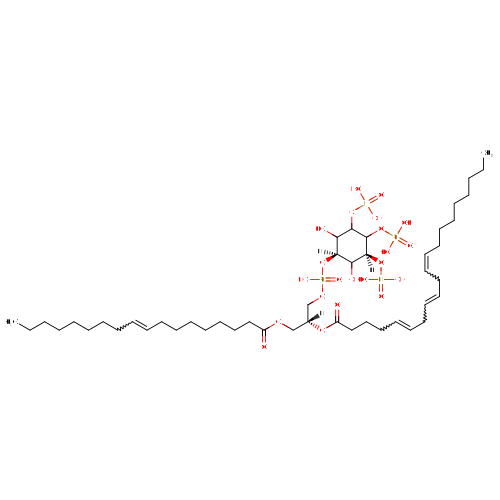
Matched description: … and one chain of mead acid at the C-2 position. ... acid moiety is derived from fish oils, liver and kidney. ... Fatty acids containing 18 and 20 carbons are the most common. …
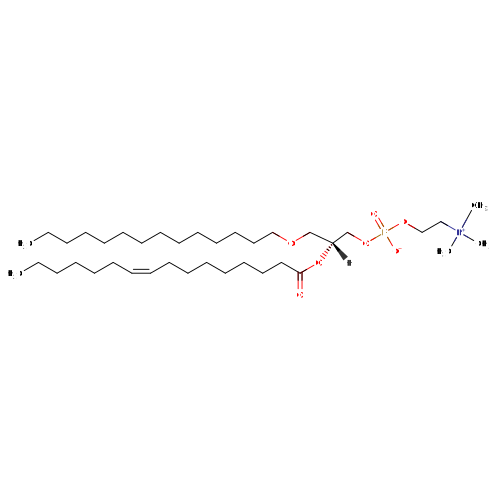
Matched description: … While most phospholipids have a saturated fatty acid on C-1 and an unsaturated fatty acid on C-2 of the ... Fatty acids containing 16, 18 and 20 carbons are the most common. ... the case with diacylglycerols, glycerophosphocholines can have many different combinations of fatty acids …
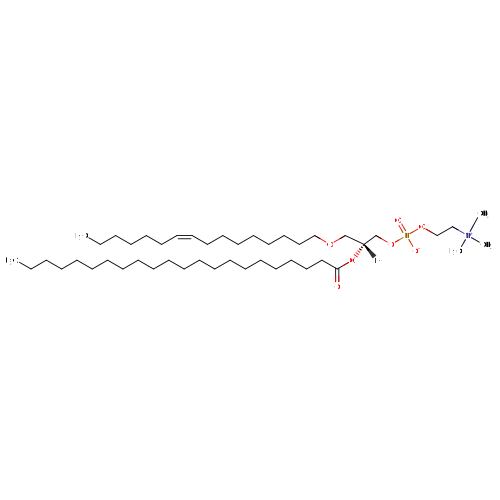
Matched description: … While most phospholipids have a saturated fatty acid on C-1 and an unsaturated fatty acid on C-2 of the ... Fatty acids containing 16, 18 and 20 carbons are the most common. ... the case with diacylglycerols, glycerophosphocholines can have many different combinations of fatty acids …
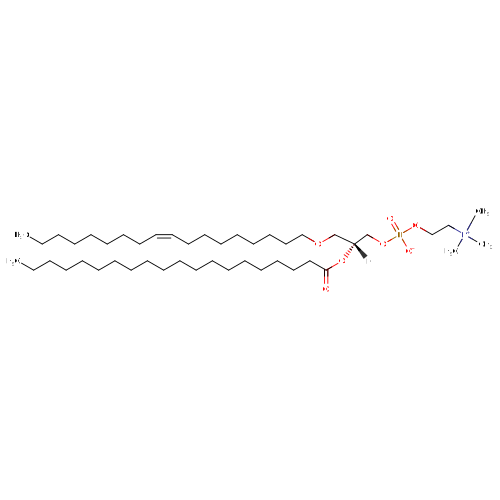
Matched description: … While most phospholipids have a saturated fatty acid on C-1 and an unsaturated fatty acid on C-2 of the ... Fatty acids containing 16, 18 and 20 carbons are the most common. ... the case with diacylglycerols, glycerophosphocholines can have many different combinations of fatty acids …