
Showing chemical card for N-Acetylglutamine (CFc000002626)
| Record Information | |||||||||||||||||||||||||||||||||||||||||||||||||||||||||||||
|---|---|---|---|---|---|---|---|---|---|---|---|---|---|---|---|---|---|---|---|---|---|---|---|---|---|---|---|---|---|---|---|---|---|---|---|---|---|---|---|---|---|---|---|---|---|---|---|---|---|---|---|---|---|---|---|---|---|---|---|---|---|
| Version | 1.0 | ||||||||||||||||||||||||||||||||||||||||||||||||||||||||||||
| Creation Date | 2022-08-28 10:25:12 UTC | ||||||||||||||||||||||||||||||||||||||||||||||||||||||||||||
| Update Date | 2022-09-13 18:47:33 UTC | ||||||||||||||||||||||||||||||||||||||||||||||||||||||||||||
| Chemfont ID | CFc000002626 | ||||||||||||||||||||||||||||||||||||||||||||||||||||||||||||
| Molecule Identification | |||||||||||||||||||||||||||||||||||||||||||||||||||||||||||||
| Common Name | N-Acetylglutamine | ||||||||||||||||||||||||||||||||||||||||||||||||||||||||||||
| Definition | N-Acetyl-L-glutamine (NAcGln) or N-Acetylglutamine, belongs to the class of organic compounds known as N-acyl-alpha amino acids. N-acyl-alpha amino acids are compounds containing an alpha amino acid which bears an acyl group at its terminal nitrogen atom. N-Acetylglutamine can also be classified as an alpha amino acid or a derivatized alpha amino acid. Technically, N-Acetylglutamine is a biologically available N-terminal capped form of the proteinogenic alpha amino acid L-glutamine. N-acetyl amino acids can be produced either via direct synthesis of specific N-acetyltransferases or via the proteolytic degradation of N-acetylated proteins by specific hydrolases. N-terminal acetylation of proteins is a widespread and highly conserved process in eukaryotes that is involved in protection and stability of proteins (PMID: 16465618 ). About 85% of all human proteins and 68% of all yeast proteins are acetylated at their N-terminus (PMID: 21750686 ). Several proteins from prokaryotes and archaea are also modified by N-terminal acetylation. The majority of eukaryotic N-terminal-acetylation reactions occur through N-acetyltransferase enzymes or NAT’s (PMID: 30054468 ). These enzymes consist of three main oligomeric complexes NatA, NatB, and NatC, which are composed of at least a unique catalytic subunit and one unique ribosomal anchor. The substrate specificities of different NAT enzymes are mainly determined by the identities of the first two N-terminal residues of the target protein. The human NatA complex co-translationally acetylates N-termini that bear a small amino acid (A, S, T, C, and occasionally V and G) (PMID: 30054468 ). NatA also exists in a monomeric state and can post-translationally acetylate acidic N-termini residues (D-, E-). NatB and NatC acetylate N-terminal methionine with further specificity determined by the identity of the second amino acid. N-acetylated amino acids, such as N-acetylglutamine can be released by an N-acylpeptide hydrolase from peptides generated by proteolytic degradation (PMID: 16465618 ). In addition to the NAT enzymes and protein-based acetylation, N-acetylation of free glutamine can also occur. In particular, N-Acetylglutamine can be biosynthesized from L-glutamine and acetyl-CoA by the enzyme glutamine N-acyltransferase (EC 2.3.1.68). Excessive amounts N-acetyl amino acids including N-acetylglutamine (as well as N-acetylglycine, N-acetylserine, N-acetylmethionine, N-acetylglutamate, N-acetylalanine, N-acetylleucine and smaller amounts of N-acetylthreonine, N-acetylisoleucine, and N-acetylvaline) can be detected in the urine with individuals with acylase I deficiency, a genetic disorder (PMID: 16465618 ). Aminoacylase I is a soluble homodimeric zinc binding enzyme that catalyzes the formation of free aliphatic amino acids from N-acetylated precursors. In humans, Aminoacylase I is encoded by the aminoacylase 1 gene (ACY1) on chromosome 3p21 that consists of 15 exons (OMIM 609924 ). Individuals with aminoacylase I deficiency will experience convulsions, hearing loss and difficulty feeding (PMID: 16465618 ). ACY1 can also catalyze the reverse reaction, the synthesis of acetylated amino acids. Many N-acetylamino acids, including N-acetylglutamine are classified as uremic toxins if present in high abundance in the serum or plasma (PMID: 26317986 ; PMID: 20613759 ). Uremic toxins are a diverse group of endogenously produced molecules that, if not properly cleared or eliminated by the kidneys, can cause kidney damage, cardiovascular disease and neurological deficits (PMID: 18287557 ). N-acetylglutamine can be used for parenteral nutrition as a source of glutamine since glutamine is too unstable whereas N-acetylglutamine is very stable. In patients treated with aminoglycosides and/or glycopeptides, an elevation of N-acetylglutamine in urine suggests renal tubular injury. | ||||||||||||||||||||||||||||||||||||||||||||||||||||||||||||
| Structure | 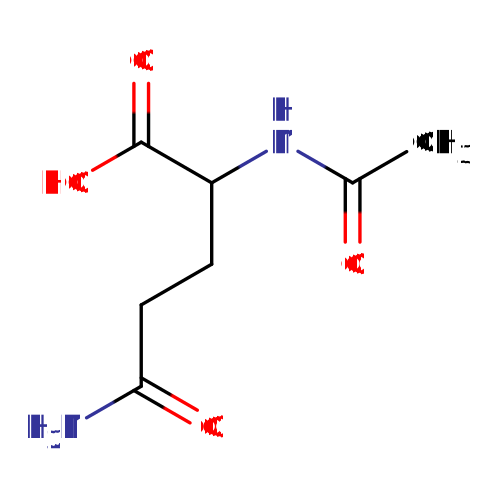 | ||||||||||||||||||||||||||||||||||||||||||||||||||||||||||||
| Synonyms |
| ||||||||||||||||||||||||||||||||||||||||||||||||||||||||||||
| Chemical Formula | C7H12N2O4 | ||||||||||||||||||||||||||||||||||||||||||||||||||||||||||||
| Average Molecular Weight | 188.1812 | ||||||||||||||||||||||||||||||||||||||||||||||||||||||||||||
| Monoisotopic Molecular Weight | 188.079706882 | ||||||||||||||||||||||||||||||||||||||||||||||||||||||||||||
| IUPAC Name | 4-carbamoyl-2-acetamidobutanoic acid | ||||||||||||||||||||||||||||||||||||||||||||||||||||||||||||
| Traditional Name | N-acetyl-L-glutamine | ||||||||||||||||||||||||||||||||||||||||||||||||||||||||||||
| CAS Registry Number | 2490-97-3 | ||||||||||||||||||||||||||||||||||||||||||||||||||||||||||||
| SMILES | CC(=O)NC(CCC(N)=O)C(O)=O | ||||||||||||||||||||||||||||||||||||||||||||||||||||||||||||
| InChI Identifier | InChI=1S/C7H12N2O4/c1-4(10)9-5(7(12)13)2-3-6(8)11/h5H,2-3H2,1H3,(H2,8,11)(H,9,10)(H,12,13) | ||||||||||||||||||||||||||||||||||||||||||||||||||||||||||||
| InChI Key | KSMRODHGGIIXDV-UHFFFAOYSA-N | ||||||||||||||||||||||||||||||||||||||||||||||||||||||||||||
| Chemical Taxonomy | |||||||||||||||||||||||||||||||||||||||||||||||||||||||||||||
| Description | Belongs to the class of organic compounds known as glutamine and derivatives. Glutamine and derivatives are compounds containing glutamine or a derivative thereof resulting from reaction of glutamine at the amino group or the carboxy group, or from the replacement of any hydrogen of glycine by a heteroatom. | ||||||||||||||||||||||||||||||||||||||||||||||||||||||||||||
| Kingdom | Organic compounds | ||||||||||||||||||||||||||||||||||||||||||||||||||||||||||||
| Super Class | Organic acids and derivatives | ||||||||||||||||||||||||||||||||||||||||||||||||||||||||||||
| Class | Carboxylic acids and derivatives | ||||||||||||||||||||||||||||||||||||||||||||||||||||||||||||
| Sub Class | Amino acids, peptides, and analogues | ||||||||||||||||||||||||||||||||||||||||||||||||||||||||||||
| Direct Parent | Glutamine and derivatives | ||||||||||||||||||||||||||||||||||||||||||||||||||||||||||||
| Alternative Parents |
| ||||||||||||||||||||||||||||||||||||||||||||||||||||||||||||
| Substituents |
| ||||||||||||||||||||||||||||||||||||||||||||||||||||||||||||
| Molecular Framework | Aliphatic acyclic compounds | ||||||||||||||||||||||||||||||||||||||||||||||||||||||||||||
| External Descriptors |
| ||||||||||||||||||||||||||||||||||||||||||||||||||||||||||||
| Functional Ontology | |||||||||||||||||||||||||||||||||||||||||||||||||||||||||||||
| Physiological effect | |||||||||||||||||||||||||||||||||||||||||||||||||||||||||||||
| Disposition | Biological locationSource
| ||||||||||||||||||||||||||||||||||||||||||||||||||||||||||||
| Process | Not Available | ||||||||||||||||||||||||||||||||||||||||||||||||||||||||||||
| Role | Biological role
| ||||||||||||||||||||||||||||||||||||||||||||||||||||||||||||
| Physical Properties | |||||||||||||||||||||||||||||||||||||||||||||||||||||||||||||
| Predicted Properties |
| ||||||||||||||||||||||||||||||||||||||||||||||||||||||||||||
| External Links | |||||||||||||||||||||||||||||||||||||||||||||||||||||||||||||
| HMDB ID | Not Available | ||||||||||||||||||||||||||||||||||||||||||||||||||||||||||||
| DrugBank ID | Not Available | ||||||||||||||||||||||||||||||||||||||||||||||||||||||||||||
| Phenol Explorer Compound ID | Not Available | ||||||||||||||||||||||||||||||||||||||||||||||||||||||||||||
| FooDB ID | FDB023808 | ||||||||||||||||||||||||||||||||||||||||||||||||||||||||||||
| KNApSAcK ID | Not Available | ||||||||||||||||||||||||||||||||||||||||||||||||||||||||||||
| Chemspider ID | Not Available | ||||||||||||||||||||||||||||||||||||||||||||||||||||||||||||
| KEGG Compound ID | Not Available | ||||||||||||||||||||||||||||||||||||||||||||||||||||||||||||
| BioCyc ID | Not Available | ||||||||||||||||||||||||||||||||||||||||||||||||||||||||||||
| BiGG ID | Not Available | ||||||||||||||||||||||||||||||||||||||||||||||||||||||||||||
| Wikipedia Link | Aceglutamide | ||||||||||||||||||||||||||||||||||||||||||||||||||||||||||||
| METLIN ID | Not Available | ||||||||||||||||||||||||||||||||||||||||||||||||||||||||||||
| PubChem Compound | 25561 | ||||||||||||||||||||||||||||||||||||||||||||||||||||||||||||
| PDB ID | Not Available | ||||||||||||||||||||||||||||||||||||||||||||||||||||||||||||
| ChEBI ID | 73685 | ||||||||||||||||||||||||||||||||||||||||||||||||||||||||||||
| Food Biomarker Ontology | Not Available | ||||||||||||||||||||||||||||||||||||||||||||||||||||||||||||
| References | |||||||||||||||||||||||||||||||||||||||||||||||||||||||||||||
| Synthesis Reference | Not Available | ||||||||||||||||||||||||||||||||||||||||||||||||||||||||||||
